



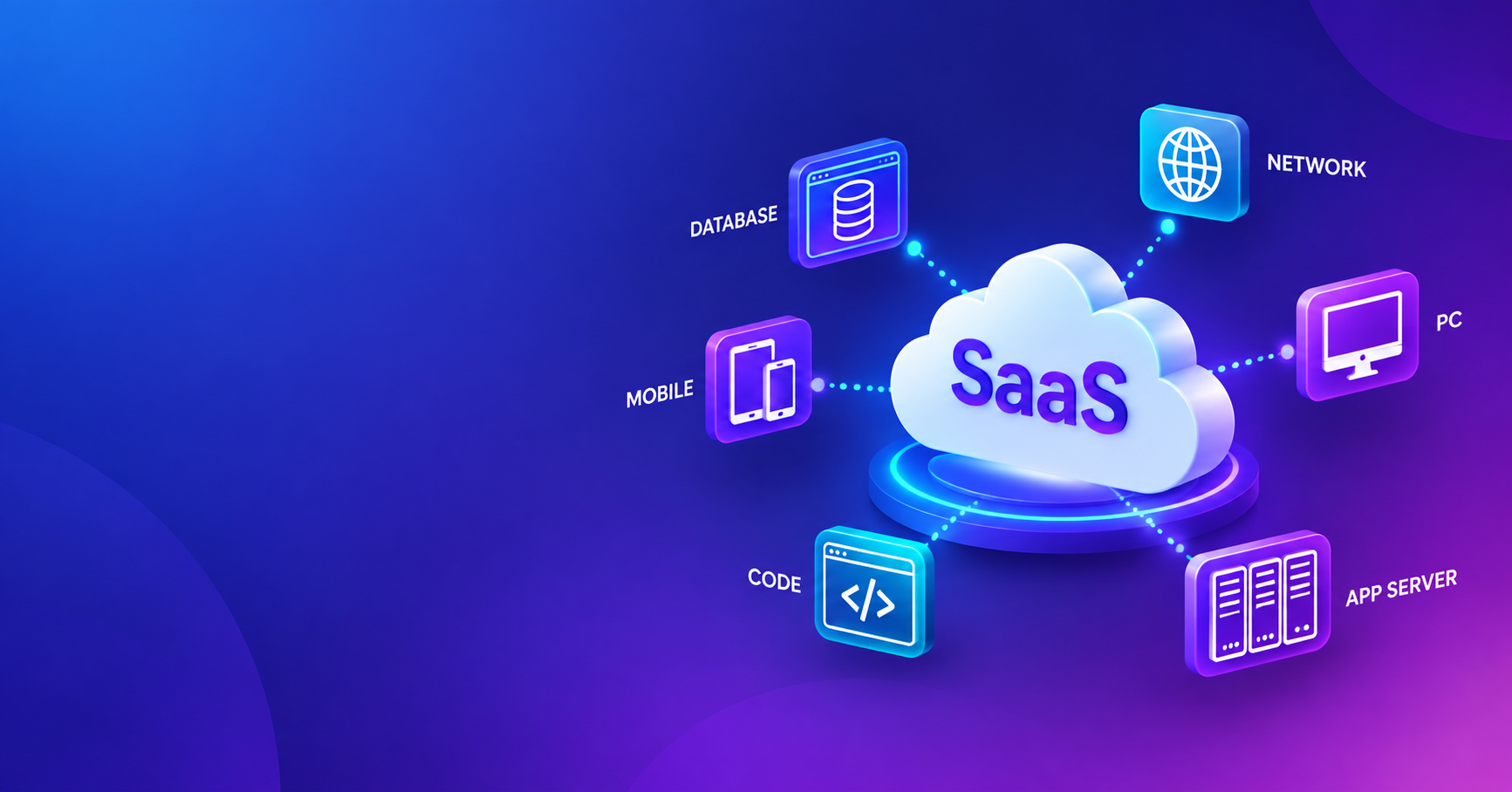
SaaS
SaaS Platforms for Flexible and Scalable Business Operations
SaaS makes business software available through the internet, giving teams access to applications, features and data without managing traditional software installations.
Software Delivered Through the Cloud SaaS changes software ownership into an ongoing, accessible service that can evolve with business needs.
Software as a Service, commonly known as SaaS, is a way of delivering software over the internet. Instead of installing an application on individual computers or maintaining software infrastructure internally, users typically access the service through a web browser or dedicated application.
The model has become common across many areas of business. Teams use SaaS products for communication, project management, accounting, customer relationships, human resources, marketing, analytics, and other day-to-day activities. A business can subscribe to the software it needs and provide access to employees without setting up every application from scratch.
One of the practical advantages of SaaS is that the software provider handles much of the underlying infrastructure. Updates, maintenance, security controls, storage, and availability are generally managed as part of the service. This allows internal teams to spend less time maintaining software environments and more time using the tools themselves.
The SaaS model does require careful consideration of areas such as data security, user permissions, integration, service availability, pricing, and vendor dependency. Choosing the right platform therefore involves looking beyond the feature list and considering how well the software fits the organization's existing processes. For businesses planning a new SaaS product or improving an existing platform, SaaS development expertise can also help align the technology with specific operational requirements.
Why it matters
Benefits
Accessible Software
SaaS applications can be accessed through internet-connected devices, allowing employees to use essential business tools without installing and maintaining software on every individual computer.
Simpler Maintenance
Software updates, infrastructure maintenance, and many technical requirements are handled by the SaaS provider, reducing the ongoing workload for internal IT and operations teams.
Flexible User Management
SaaS platforms make it easier to add, remove, or manage users as teams change, helping organizations adjust software access without rebuilding their entire technology environment.
Easier Integration
APIs, connectors, and integration features allow SaaS applications to exchange information with other business systems, reducing duplicate data entry and keeping connected workflows more consistent.
Predictable Software Access
Subscription-based SaaS models provide ongoing access to software features and updates, making it easier for organizations to plan recurring technology expenses around their operational requirements.
Support for Distributed Teams
Cloud-based SaaS applications allow employees in different locations to access shared tools, information, and workflows, supporting collaboration across remote, hybrid and geographically distributed teams.
Applied expertise
Use cases

7 Proven Mobile App Development Ideas for USA Startups
Explore use case →Featured
SaaS Platforms Built for Modern Business Workflows
Explore how SaaS platforms use cloud infrastructure, integrations, and modern software technologies to provide accessible tools for teams and evolving business operations.
Ideas and expertise
Insights

Further insights

How FinTech Platforms Use AI to Detect Suspicious Transactions Faster

How Predictive Dashboards Help Companies Identify Future Trends
How Physical AI Is Changing the Way Machines Interact With the Real World
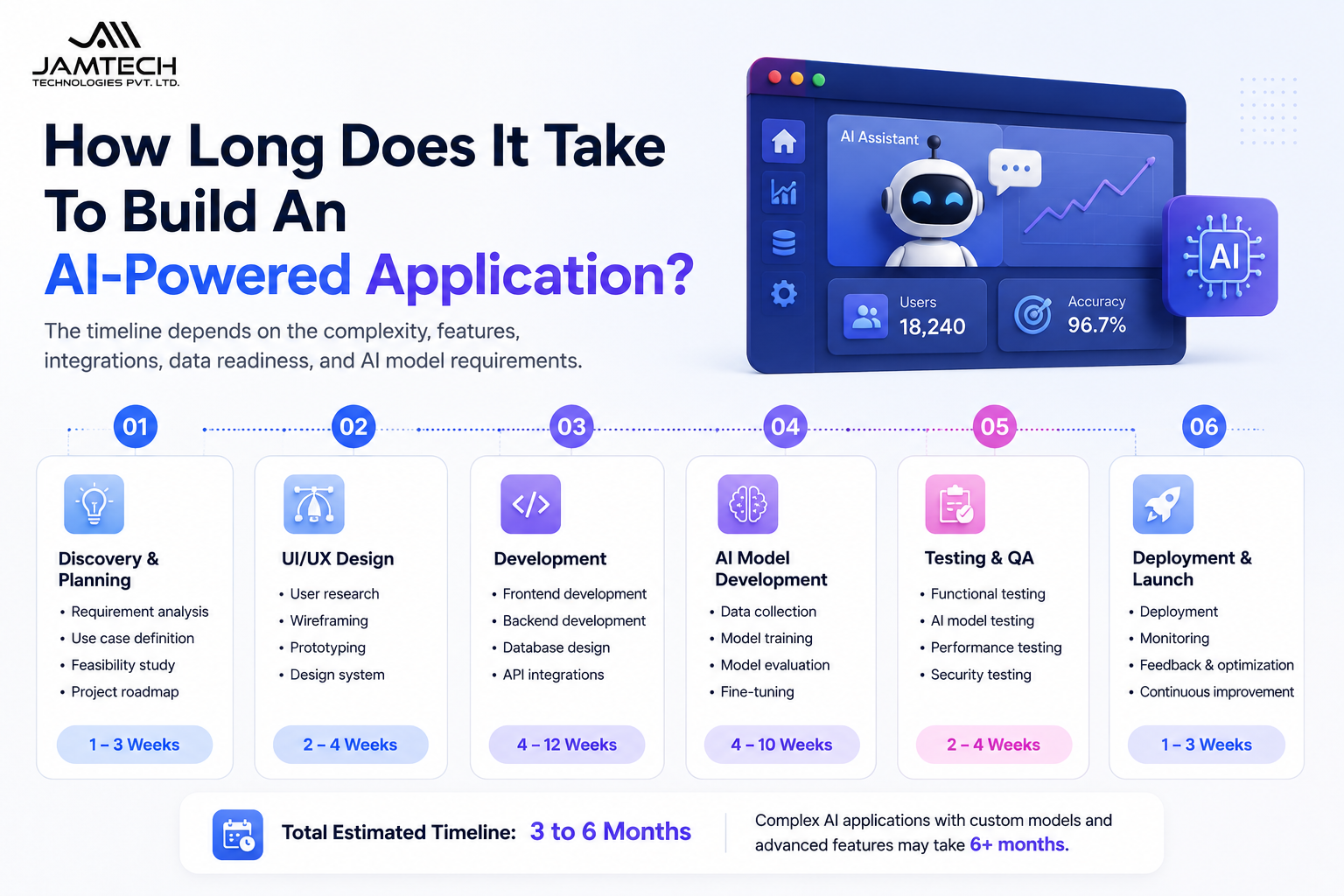
How Long Does It Take To Build An AI-Powered Application?
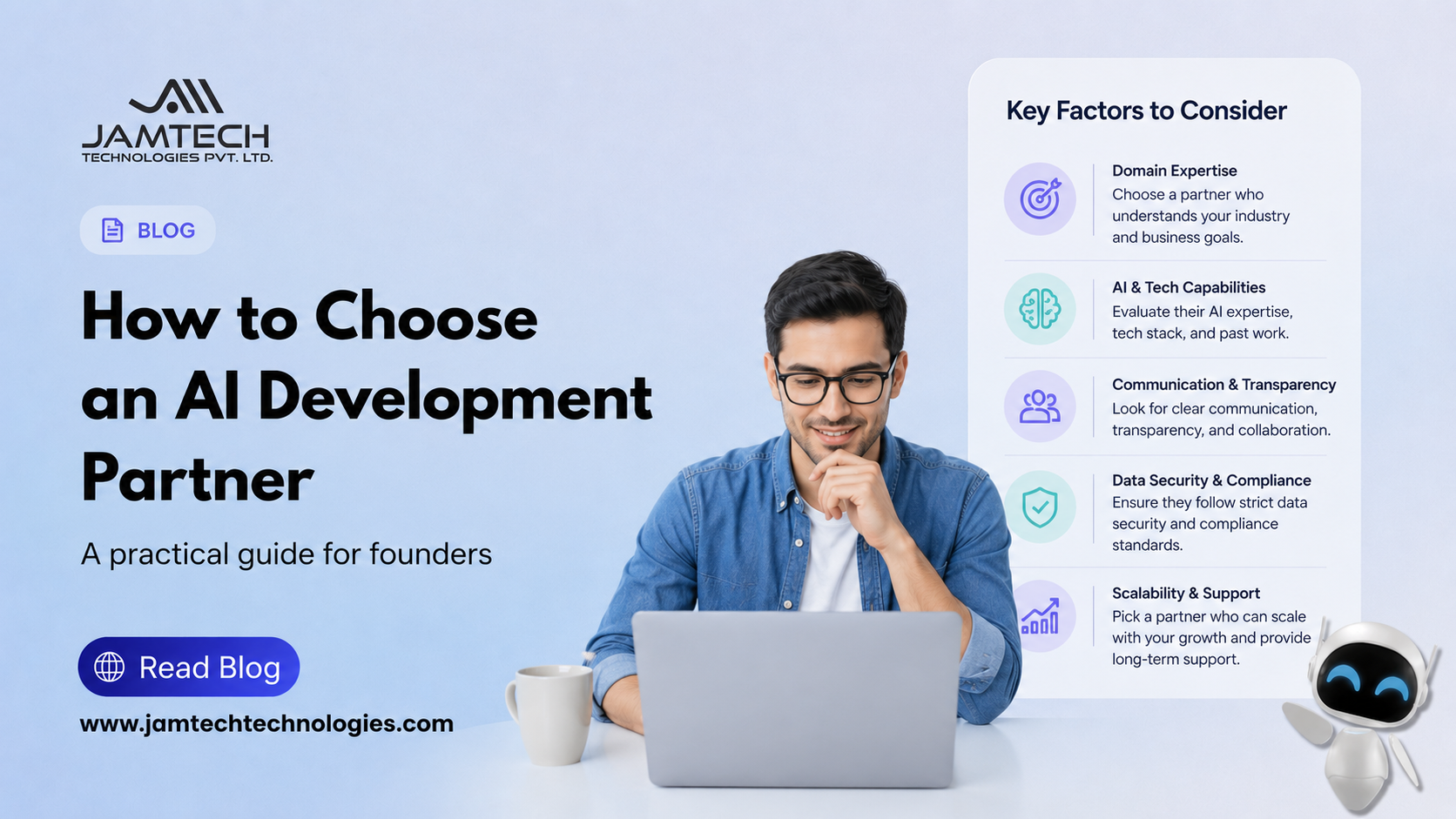
How to Choose an AI Development Partner: A Practical Guide for Founders
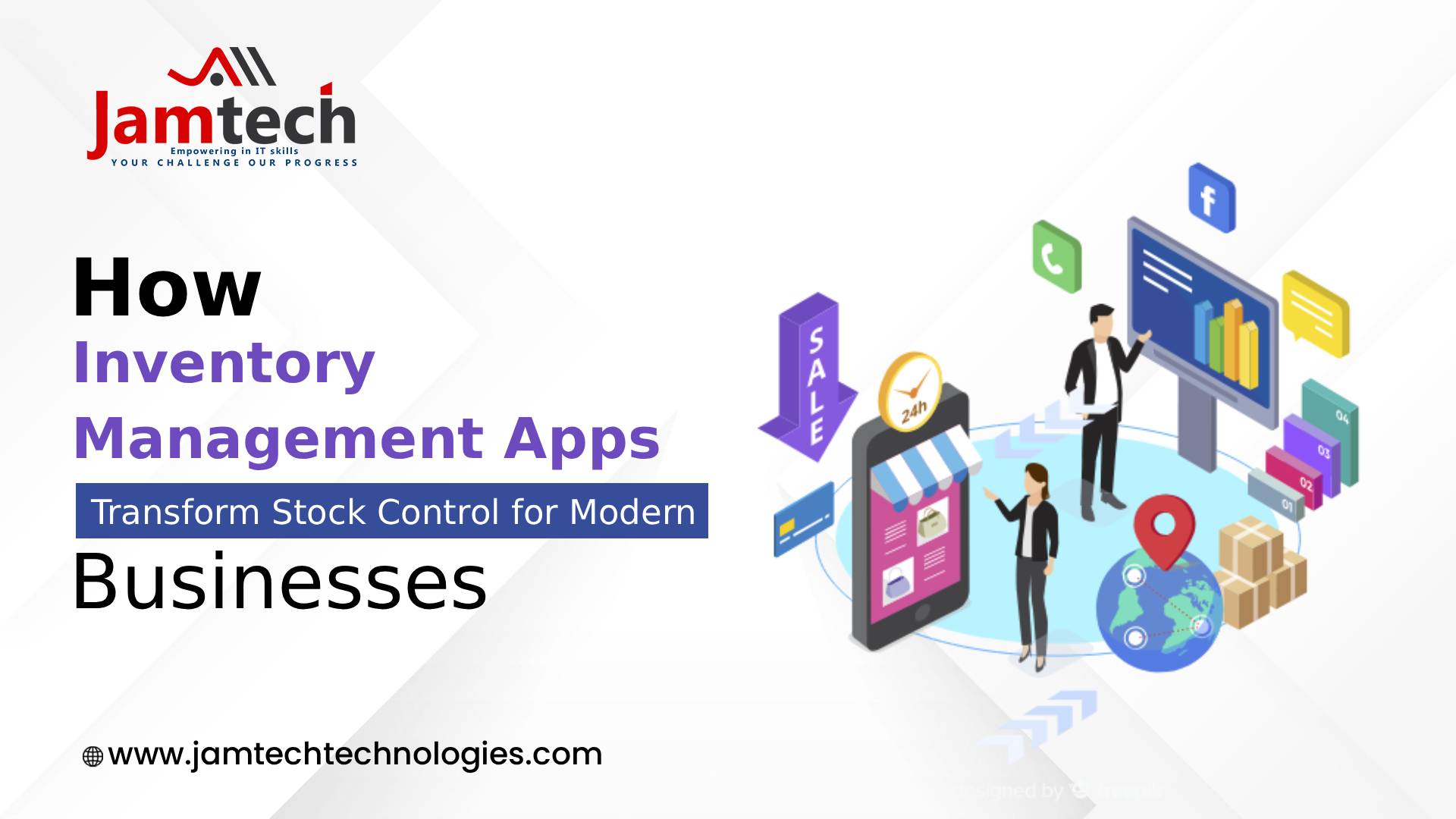
How Inventory Management Apps Transform Stock Control for Modern Businesses
How Much Does It Cost to Create an On-Demand Service App?

How Mobile Apps are Restructuring the Travel Industry

How Mobile Apps are Useful in the Healthcare Industry
Related solutions
Products & services
BYOKCALL
BYOKCall is Jamtech's bring-your-own-keys AI voice platform. Deploy inbound and outbound voice agents with your LLM, TTS, and STT keys at transparent per-m...
Explore product →BULLCRM
BullCRM is a modular CRM platform for sales, marketing and operations. Enable CRM, Books, Campaigns, Web forms, SalesBot, and HRMS modules as your team scales.
Explore product →ReplyMind AI
Reply instantly with smart, human-like AI responses while you're busy, driving, working, sleeping, or away. Stay responsive with intelligent replies powere...
Explore product →SaaS
Successfully Navigate with SaaS Excellence
Explore service →