




eSIM
eSIM Technology for Connected Devices and Digital Connectivity
eSIM technology replaces the need for a removable SIM card by securely storing mobile operator credentials inside a device and enabling subscriptions to be provisioned remotely.
The Technology Behind Embedded Mobile Connectivity eSIM moves SIM functionality into an embedded secure element while making mobile subscriptions remotely manageable.
An eSIM, or embedded SIM, performs the same fundamental authentication role as a traditional SIM, but its credentials can be securely loaded into an embedded secure element rather than being supplied through a removable card. This allows compatible devices to receive and manage mobile subscriptions through software-based processes.
A major part of eSIM technology is Remote SIM Provisioning. Instead of physically replacing a SIM card when a subscription changes, an operator profile can be securely downloaded to the device and managed remotely. GSMA specifications define the architecture and processes used to provision, enable, disable, and remove operator profiles.
For consumers, this can simplify device setup and subscription management. For manufacturers, embedded connectivity can reduce the physical space needed for a removable SIM and support product designs where accessing the SIM would be difficult. The technology can also be useful in connected devices such as smartwatches, tablets, vehicles, and other IoT products.
As eSIM ecosystems become more connected, businesses may also need IoT connectivity solutions to manage communication across distributed devices, cloud integration to exchange information between connected systems, and mobile application experiences that let users manage subscriptions, devices, or connectivity settings from a single interface.
eSIM platforms can also work alongside API integration and data analytics to connect connectivity services with existing business systems and provide better visibility into device activity, subscription status, and network usage. These capabilities can be particularly useful when organizations manage large numbers of connected products across different locations.
Why it matters
Benefits
Simplified Device Setup
Compatible devices can receive mobile subscription profiles digitally, reducing the need to insert, remove, or physically replace a traditional SIM card during setup or connectivity changes.
Remote Subscription Management
Operators and supported devices can manage mobile profiles remotely, making it easier to activate, disable, change, or remove subscriptions without requiring physical access to the SIM.
Better Support for Connected Devices
eSIM technology works well for products such as smartwatches, tablets, vehicles, and IoT devices where traditional SIM handling can be inconvenient or difficult at scale.
More Flexible Device Design
Removing the need for a removable SIM tray can give manufacturers additional design flexibility and help create devices where connectivity components are more deeply integrated.
Scalable IoT Connectivity
Remote profile management can simplify connectivity operations across large device fleets, particularly when devices are deployed in different locations or cannot be easily accessed.
Secure Profile Provisioning
eSIM architectures use standardized mechanisms for securely preparing and delivering operator credentials, while the embedded secure element provides protection for the subscription information stored on the device.

Featured
eSIM Technology for Remote and Connected Device Management
Explore how eSIM technology combines embedded secure elements, remote SIM provisioning, and subscription management to support smartphones, wearables, vehicles, and IoT devices.
Ideas and expertise
Insights

Further insights
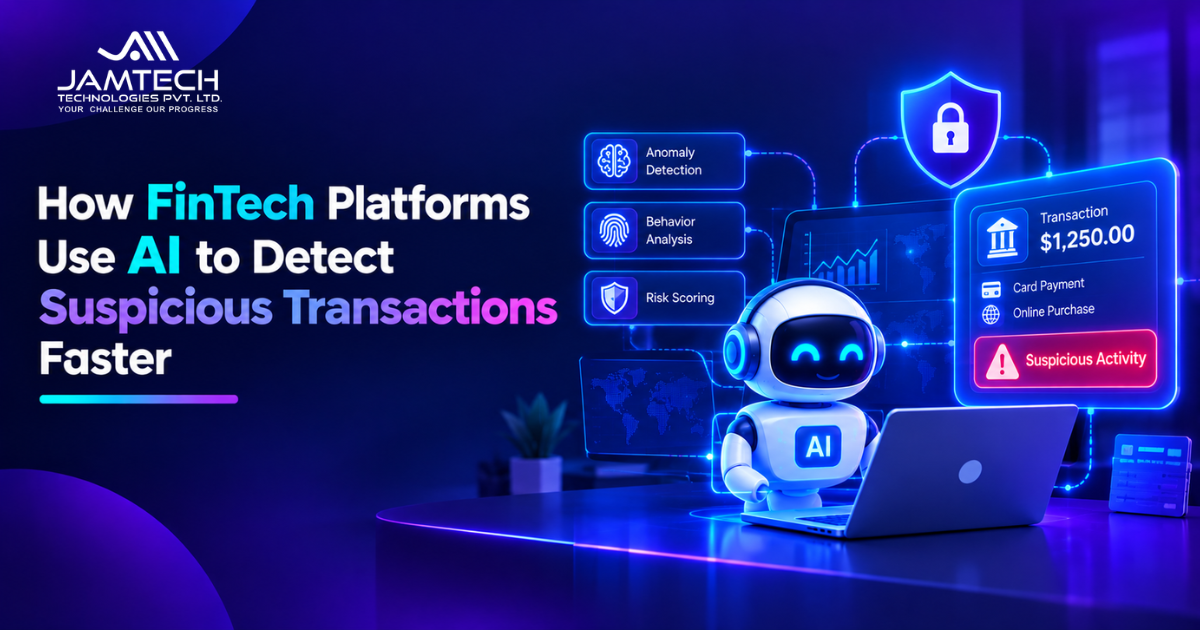
How FinTech Platforms Use AI to Detect Suspicious Transactions Faster
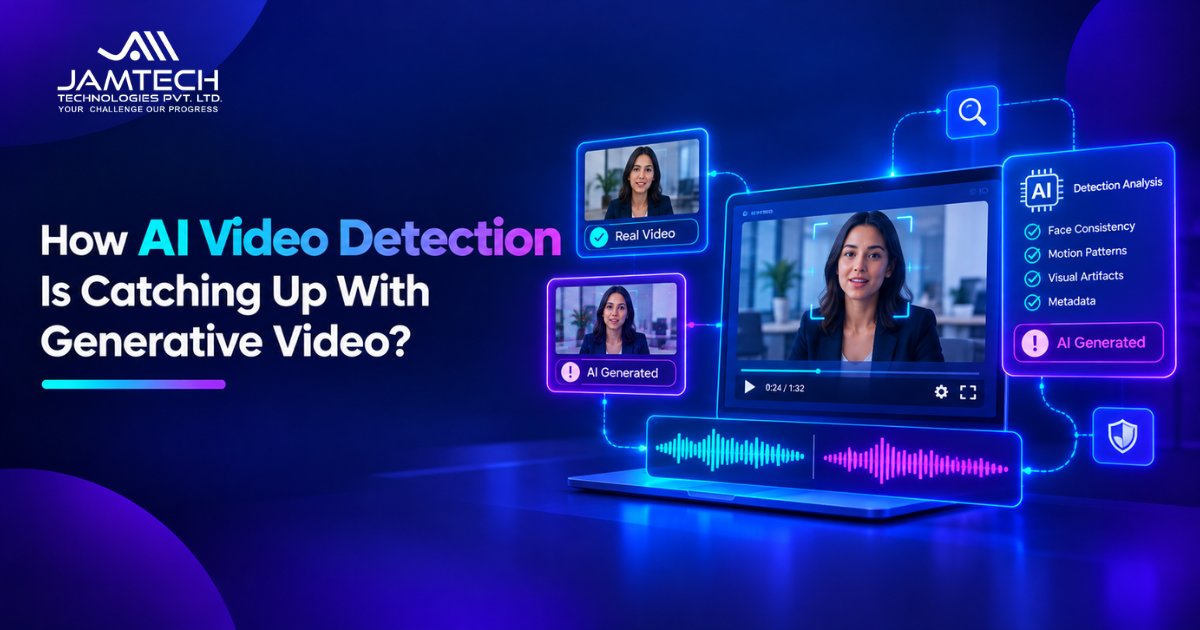
How AI Video Detection Is Catching Up With Generative Video?
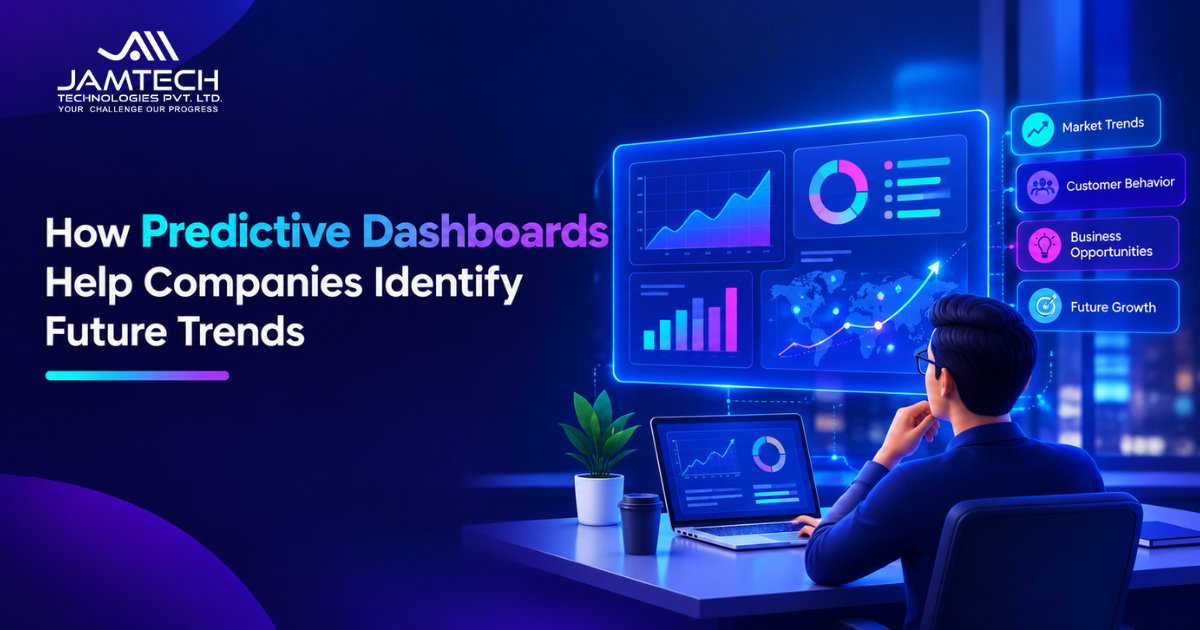
How Predictive Dashboards Help Companies Identify Future Trends
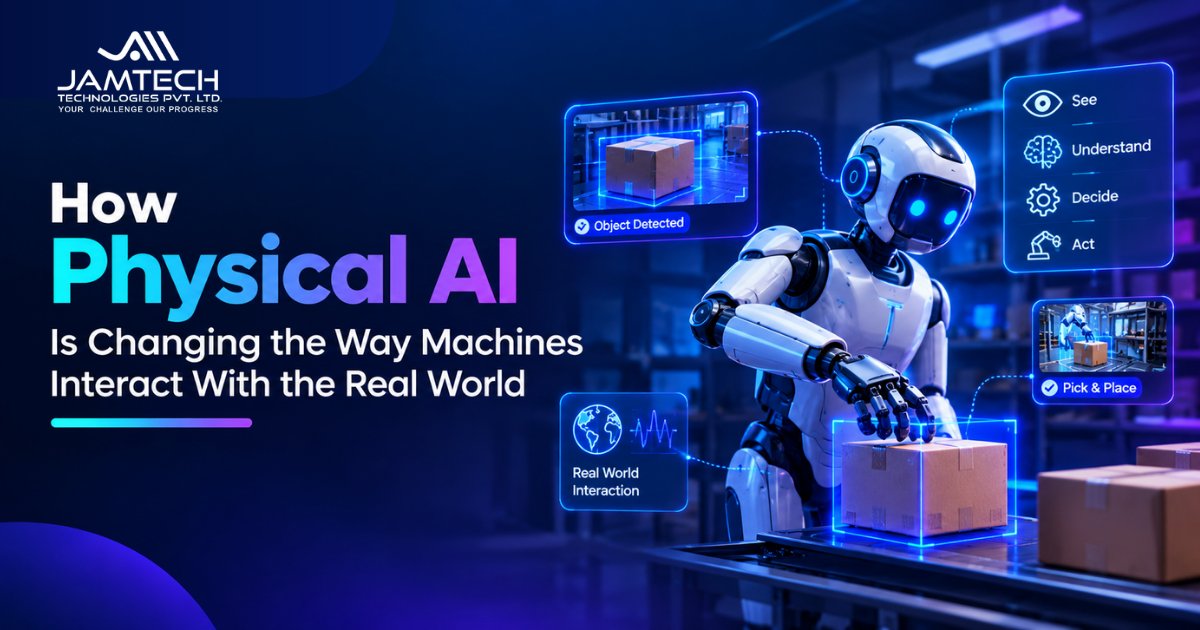
How Physical AI Is Changing the Way Machines Interact With the Real World
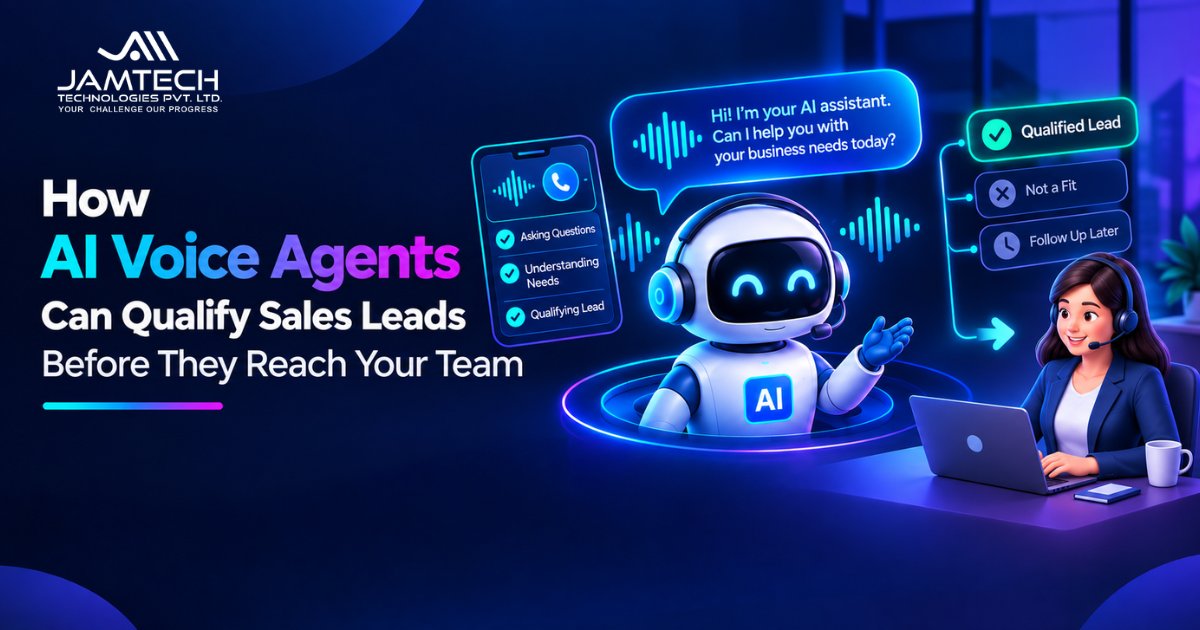
How AI Voice Agents Can Qualify Sales Leads Before They Reach Your Team
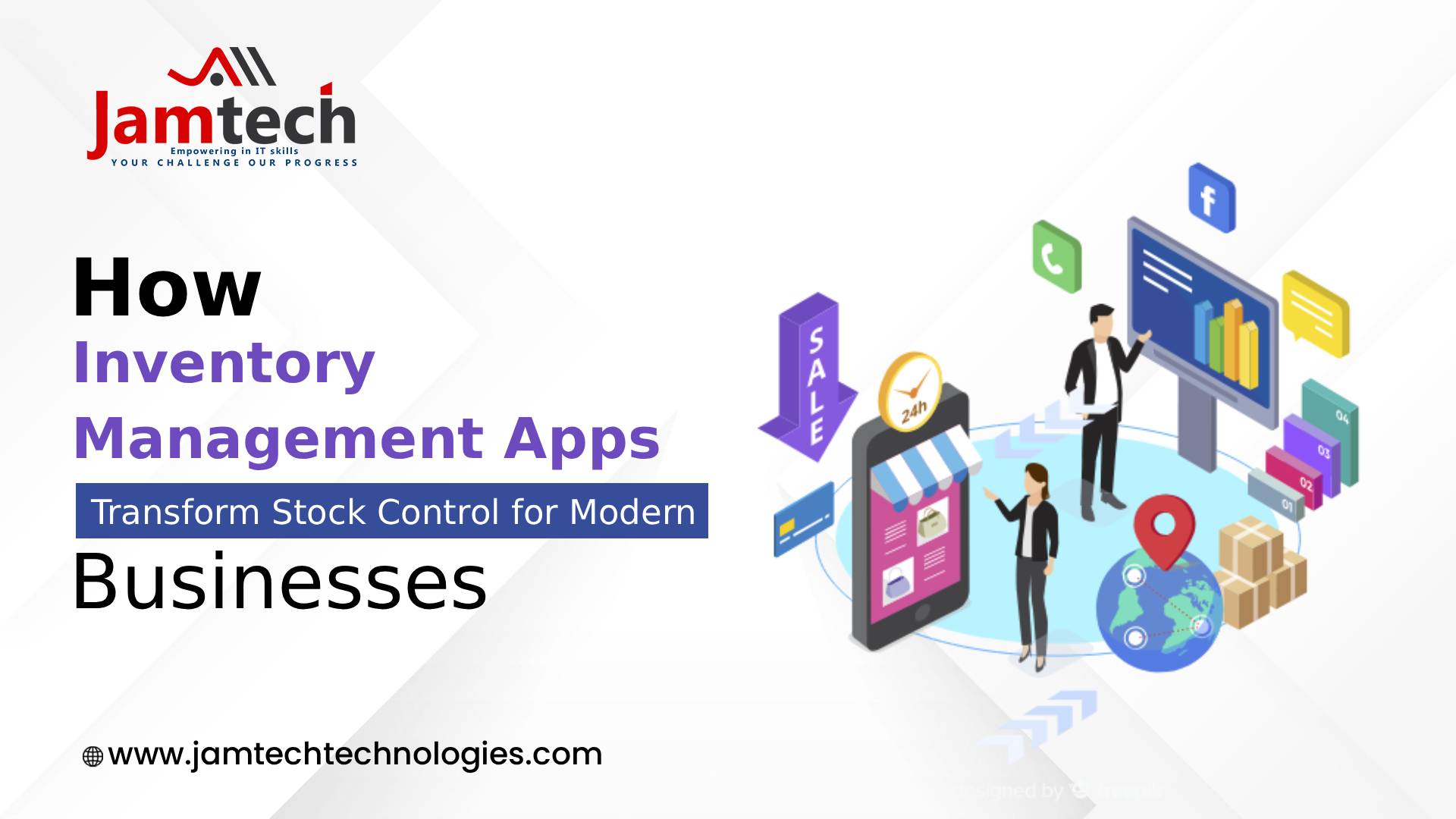
How Inventory Management Apps Transform Stock Control for Modern Businesses
How Much Does It Cost to Create an On-Demand Service App?
How Much Does It Cost to Develop an App Like Zepto

How Mobile Apps are Restructuring the Travel Industry

How Mobile Apps are Useful in the Healthcare Industry
Related solutions
Products & services
BYOKCALL
BYOKCall is Jamtech's bring-your-own-keys AI voice platform. Deploy inbound and outbound voice agents with your LLM, TTS, and STT keys at transparent per-m...
Explore product →BULLCRM
BullCRM is a modular CRM platform for sales, marketing and operations. Enable CRM, Books, Campaigns, Web forms, SalesBot, and HRMS modules as your team scales.
Explore product →ReplyMind AI
Reply instantly with smart, human-like AI responses while you're busy, driving, working, sleeping, or away. Stay responsive with intelligent replies powere...
Explore product →SaaS
Successfully Navigate with SaaS Excellence
Explore service →Responsive Web Design
Embracing Responsive Web Solutions
Explore service →Security Audits and Enhancements
Roadmap to Security Enhancement
Explore service →iOS App Development
iOS Apps Built for Future Growth
Explore service →website-development
Website Development
Explore service →