



How eSIM Technology Helps Businesses Manage Connected IoT Devices Remotely
Learn how eSIM technology helps businesses manage connected IoT devices remotely, update mobile network profiles, and maintain connectivity across equipment deployed in different locations.

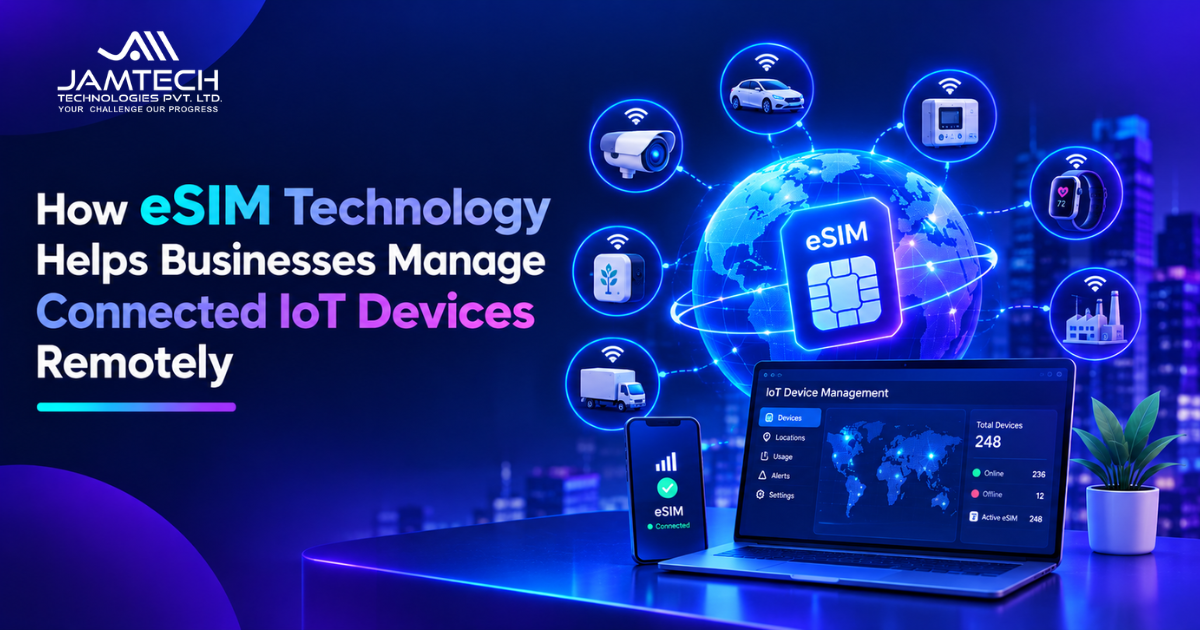
Businesses increasingly rely on connected devices to collect information, track equipment, monitor conditions, and support everyday operations. These devices may be installed in vehicles, factories, warehouses, retail locations, or remote sites where physical access is difficult.
Managing connectivity across these locations can become complicated. If a device uses a removable SIM card, changing its SIM may require someone to visit the site. That process can take time, especially when hundreds or thousands of devices are spread across different regions.
eSIM Technology offers another approach. A compatible device can store a digital SIM profile, allowing supported mobile network subscriptions to be provisioned remotely. Depending on the device and deployment setup, a business can activate a profile or change connectivity arrangements without replacing a physical SIM card.
This can make large IoT deployments easier to manage. However, remote profile management does not automatically fix every connectivity problem. Devices still need compatible hardware, suitable network coverage, and a provisioning system that supports the intended operation.
Why Is Remote Connectivity Important for IoT Devices?
IoT devices often operate with little or no direct human involvement. A sensor may send readings every few minutes, a vehicle tracker may report location data, and a smart meter may transmit usage information on a schedule.
When connectivity fails, the business may lose access to current data or receive incomplete information. If the device is in a remote area, sending a technician to investigate can be expensive and slow.
Remote connectivity management helps teams handle certain changes without visiting each device. For example, a company deploying tracking equipment across several cities may need to manage mobile subscriptions as its fleet grows or its connectivity requirements change.
The practical benefit depends on the type of device and the available network options. eSIM can simplify the SIM management part of the process, but it cannot guarantee uninterrupted coverage or eliminate the need for field maintenance.
Which IoT Devices Can Benefit From eSIM Technology?
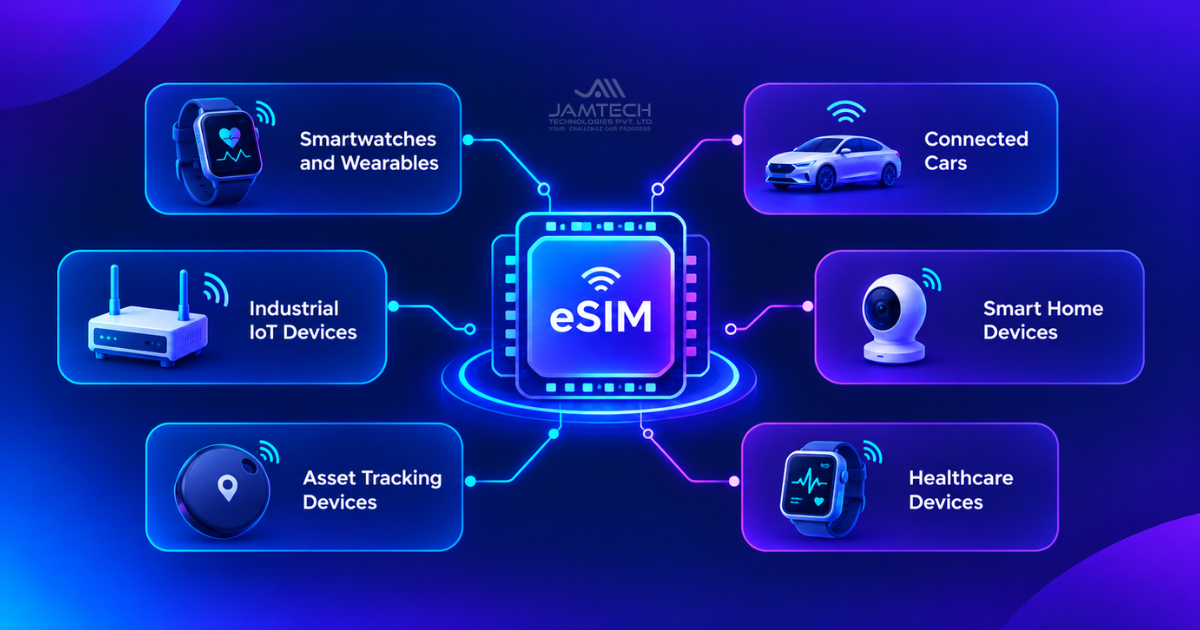
The value of eSIM depends on where a device is installed, how often it needs to communicate, and whether its hardware supports the technology.
Smart meters and utility equipment
Smart meters can transmit readings to utility providers without requiring a person to visit each location. In a large deployment, remotely managed connectivity profiles can help simplify subscription administration when supported by the device and network setup.
If a meter stops communicating, the operator still needs to determine whether the cause is network coverage, a device fault, a power issue, or a provisioning problem.
Connected vehicles and fleet trackers
Fleet operators may use connected devices to report vehicle locations, monitor usage, or send equipment status updates. eSIM-capable hardware can make it easier to manage subscriptions across a distributed fleet.
For vehicles operating across different regions, businesses should check which mobile networks are available and whether their chosen connectivity solution supports the required network changes.
Industrial sensors and monitoring equipment
Factories and remote facilities may use sensors to monitor temperature, pressure, equipment status, or environmental conditions. Some devices operate in places where frequent physical access is inconvenient.
Remote SIM provisioning can reduce the need to handle removable SIM cards during certain connectivity changes. This is particularly useful when devices are installed inside equipment or across multiple industrial sites.
Retail and logistics equipment
Connected payment terminals, vending machines, tracking devices, and other field equipment may need mobile connectivity outside a fixed office network.
A centrally managed eSIM setup can help businesses coordinate subscriptions across these devices. The exact capabilities depend on the hardware, the connectivity provider, and the management platform.
How Does Remote SIM Provisioning Work?
Remote SIM provisioning allows a compatible device to receive and manage a digital SIM profile through a supported provisioning process. The precise steps depend on the device category, eSIM standard, and service provider.
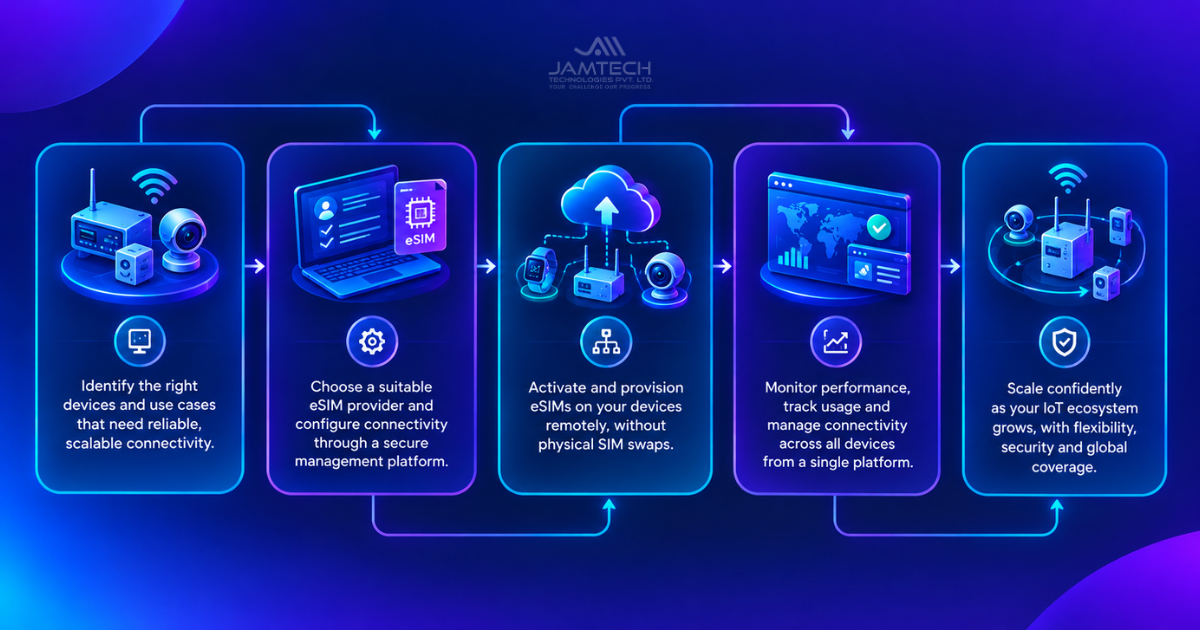
A typical business deployment may follow this process:
Prepare the device. The business checks that the IoT hardware supports the required eSIM capabilities and provisioning standard.
Choose a connectivity provider. The provider supplies a suitable mobile subscription and the required provisioning arrangements.
Install or activate a profile. The compatible device receives the profile through the supported remote provisioning process.
Monitor the connection. The business checks whether the device can connect and send the expected data.
Manage changes when needed. Depending on the implementation, a new profile may be added or an existing connectivity arrangement changed remotely.
This process can reduce the need for manual SIM replacement. It does not mean that every device can switch networks instantly or without restrictions. Profile policies, device capabilities, network agreements, and provisioning permissions all affect what is possible.
Can Businesses Manage eSIM Profiles Across Thousands of Devices?
Yes, provided the device fleet and provisioning infrastructure support centralized management.
When an IoT deployment grows, manually tracking every SIM, subscription, and device can become difficult. A management platform can help teams organize device identifiers, monitor profile status, track connectivity usage, and identify devices that need attention.
For example, a logistics company with tracking devices in several regions may use a central dashboard to review which devices are active, which have stopped reporting, and which subscriptions require investigation.
The dashboard and eSIM management system serve different purposes. A dashboard may display device status, while the connectivity management system handles supported SIM profile operations. Integrating the two can give teams a clearer view of their deployment, but the integration must be designed around the actual capabilities of each system.
Businesses should also define who can activate, disable, or change profiles. Centralized management is useful only when it includes appropriate permissions, activity records, and procedures for correcting mistakes.
What Should Businesses Check Before Deploying eSIM for IoT?
Selecting an eSIM solution requires more than checking whether a device has an embedded SIM.
Device compatibility: Confirm that the hardware supports the required eSIM functionality and remote provisioning standard.
Network coverage: Check whether suitable networks are available in every location where devices will operate. Coverage can vary between regions and providers.
Subscription management: Understand how profiles are activated, changed, suspended, and retired, including any provider restrictions.
Security: Protect provisioning credentials, limit access to profile management, and maintain records of important actions.
Power and data requirements: Consider how often devices communicate, how much data they use, and whether connectivity changes could affect battery life or operating costs.
Failure recovery: Decide how the team will investigate devices that stop reporting, recover from provisioning errors, or arrange physical servicing when remote troubleshooting is not enough.
These checks help businesses avoid choosing a solution that works for a small test but becomes difficult to manage across a larger deployment.
How Does eSIM Technology Support IoT Security?
Connected devices can collect operational, location, and equipment data. Their connectivity arrangements therefore need to be managed carefully.
eSIM technology can support controlled provisioning and subscription management, but an eSIM alone does not make an IoT deployment secure. Security also depends on device authentication, software updates, network protections, access permissions, and how the collected data is handled.
Businesses should restrict profile-management access to authorized personnel and monitor unusual changes. They should also plan how to disable or replace a compromised device's connectivity profile where supported.
Device security and connectivity security need to be considered together. A well-managed subscription cannot compensate for vulnerable device software or poorly protected business systems.
Can eSIM Management Be Integrated With an IoT Platform?
Yes. Businesses can integrate connectivity information with an IoT platform when the relevant systems provide suitable APIs or other supported integration methods.
For example, a monitoring platform may combine sensor readings with connectivity status. If a device stops sending data, the system could create a support ticket, notify the operations team, and include available connection details for investigation.
This helps staff avoid checking several disconnected systems before they can begin troubleshooting.
A useful integration should distinguish between different causes of a problem. A device that has stopped reporting may have lost coverage, run out of power, experienced a hardware fault, or encountered a provisioning issue. The system should present available evidence rather than assume every interruption is a SIM problem.
What Is the Best Way to Start an eSIM-Based IoT Deployment?
Businesses should begin with a specific operational need instead of migrating every connected device at once.
Choose a small group of devices that represents the intended deployment. Test profile provisioning, network availability, usage reporting, security permissions, and recovery procedures. Include devices in different operating environments if the final fleet will span multiple locations.
During the pilot, measure how long activation takes, how often devices lose connectivity, how quickly problems are diagnosed, and how much manual intervention is still required. These results can help the team decide whether to expand the deployment and which parts of the process need improvement.
Once the setup is stable, the business can document provisioning procedures, assign management responsibilities, and plan how devices will be handled at the end of their service life.
Frequently Asked Questions
Q1: What is eSIM Technology in IoT devices?
eSIM Technology allows compatible IoT devices to use digital SIM profiles instead of relying on a removable SIM card. It can support remote provisioning and connectivity management, depending on the device and service provider.
Q2: Can businesses change IoT device network profiles remotely?
Yes, compatible devices and provisioning systems can support remote profile operations. The available options depend on the device, eSIM standard, provider policies, and network agreements.
Q3: Which industries can use eSIM for remote IoT management?
Industries such as logistics, utilities, manufacturing, automotive, and retail can use eSIM-enabled IoT devices. Common examples include vehicle trackers, smart meters, industrial sensors, and connected field equipment.
Q4: Does eSIM guarantee uninterrupted IoT connectivity?
No. eSIM can simplify profile management, but connectivity still depends on network coverage, device hardware, provider availability, and local operating conditions.
Q5: Is eSIM enough to secure a connected IoT device?
No. eSIM supports digital SIM and subscription management, but IoT security also requires protected device software, authentication, access controls, secure data handling, and ongoing monitoring.
Ready to grow your business with Jamtech?
Talk to our experts about your next digital project.