




Why Mobile Apps Are Critical for Restaurant Success
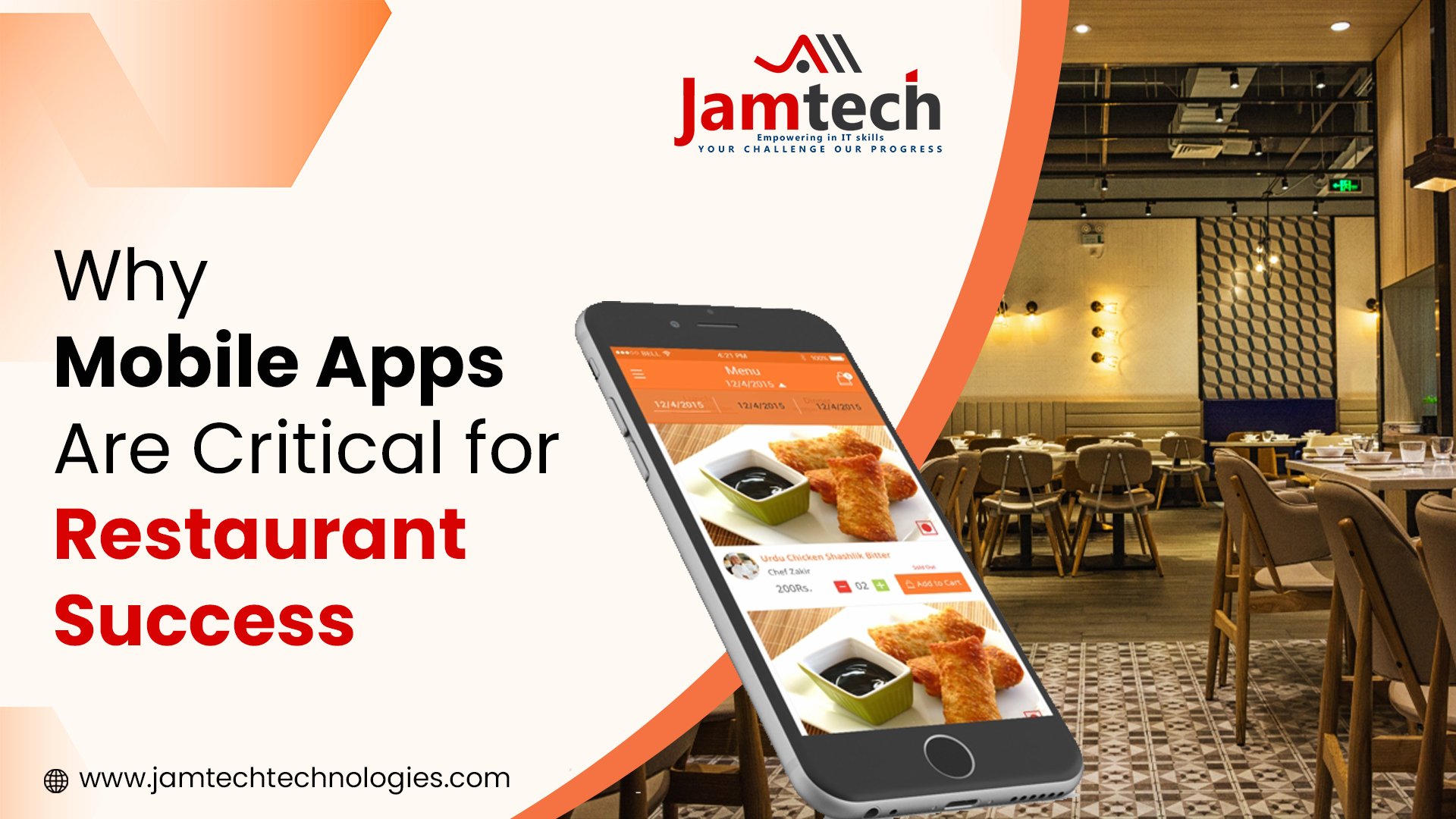
Most people no longer call restaurants to place an order. They will simply open their favorite app and browse the menu and place the order in a few seconds.
This shift in customer behavior has changed the way restaurants operate.
Many restaurant owners ask a common question:
"Why do restaurants need a mobile app?"
The answer is simple: mobile apps increase sales, enhance customer retention, and streamline operations by providing features such as online ordering, loyalty programs, table reservations, and push notifications. They help to reduce errors, improve the dining experience, and enable restaurants to stand out in a competitive market.
Whether running a fine-dining establishment or a quick-service kitchen, investing in a well-designed restaurant ordering app will increase restaurant sales, improve customer retention, and set your brand apart in this highly competitive market.
The Rise of Mobile Technology in the Restaurant Industry
Over the past few years, mobile technology in the restaurant industry has exploded. Customers now expect fast interactions—from browsing the menu to placing orders, making quick payments, leaving feedback—all within a few taps on their smartphones.
This shift in this behavior has led to a rise in demand for restaurants with mobile apps, especially as more people opt for convenience and digital engagement.
Key Benefits of Mobile Apps for Restaurants
Let's break down the main advantages of having a restaurant app and how it can contribute to your restaurant's success:
1. Increase Restaurant Sales with a Mobile App
A well-built restaurant app should serve as a 24/7 storefront. Whether through food delivery, in-app promotions, or through loyalty programs, it should help boost revenue and increase your order frequency.
Upselling and cross-selling: Add side dishes or any dessert during the checkout process.
Push notifications: By sending exclusive deals, offers and reminders to encourage customers to buy again.
Restaurants with mobile apps often report a significant boost in the average order value and frequency compared to those orders relying heavily on phone or walk-in orders.
2. Enhance the Dining Experience
Whether customers are dining in or ordering through any of their favorite restaurant's mobile app, it should enhance convenience and reduce friction:
Table reservations: A restaurant customer engagement app should allow users to book tables directly, avoiding long waits or missed calls.
Menu browsing: Adding interactive and high-quality menus also let customers explore meals in advance.
Real-time updates: Notify customers when their table is ready or when their delivery is on its way.
By simplifying interactions, you create a smoother and more enjoyable dining experience which will encourage customers to come back.
3. Build Customer Loyalty
Loyalty programs that are built into your restaurant app will encourage more return visits and brand affinity too. Unlike traditional punch cards or digital systems that are more dynamic and trackable.
With the app-based loyalty programs:
Customers will earn rewards with each order.
You can target the VIP customers with exclusive deals.
Redemption should be very quick and hassle-free.
Overall, loyalty is one of the most effective and easiest ways to improve customer retention—and mobile apps make it very easy to manage.
4. Streamline Ordering and Reservations
Problems like missed phone calls, miscommunication, and staff overload during the peak hours can result in lost business. A restaurant ordering app or food delivery app for restaurants simplifies and automates these critical tasks.
Core restaurant app features that you should include are:
One-click reordering for repeat customers
Schedule orders for pickup or delivery at a future time
Real-time table availability
Integrated payment gateways for secure, fast checkout
To ensure fewer errors and faster service, smoother operations mean happier customers overall.
5. Expand Delivery Options
With the rise of platforms like Swiggy and Zomato, most restaurants are moving quickly to create their own branded apps to avoid any third-party fees. A food delivery app for your restaurant gives you full control of over pricing, delivery zones, and even customer experience.
Partnering with an agency that specializes in food delivery app development allows you to build a custom solution tailored to your operations—whether you're a cloud kitchen or a dine-in business with delivery services.
Are you worried about the budget? Don't worry because the food delivery app development cost varies depending on features, platform (iOS/Android), and design complexity. But with Jamtech Technologies, even small restaurants can get started affordably.
Why Restaurants Need a Mobile App in 2025
As the restaurant industry continues to grow, the mobile apps even offer a competitive advantage that extends far beyond the order screen.
Here is what else mobile apps can bring to the table:
Data analytics: Understand customer behavior and order trends to make smarter business decisions.
Marketing automation: Run more campaigns, send offers, and track performance, all from one dashboard.
Brand building: A beautifully executed restaurant app design will even boosts your brand's credibility and professionalism.
Direct customer communication: Unlike many other third-party platforms, your app should be a direct channel to your customers.
Choosing the Right App Development Partner
To unlock these benefits, you must need a reliable partner that offers application development services tailored to the F&B sector. Jamtech's experienced team will help you:
Choose the right platform (native or hybrid)
Design an intuitive and user-friendly interface
Implement advanced features like loyalty, GPS tracking, feedback forms
Manage the backend, integrations, and security properly
Whether you're looking for a restaurant customer engagement app or a robust restaurant ordering system, aligning with Jamtech Technologies in restaurant app development will elevate your business and bring your digital vision to life.
Features That Make a Great Restaurant App
Here are some must-have restaurant app features that you should keep in mind:
Digital menu with photos and descriptions
Table reservation system
Online ordering and payments
Loyalty and rewards integration
Push notifications for offers
Order tracking and delivery updates
Multi-language and currency support (for global reach)
Customer feedback and review system
Final Thoughts: The Future Is Mobile
So, we hope the benefits of mobile apps for restaurants that we listed earlier are too crucial to ignore. As customers continue to demand more convenience, and these mobile apps have become essential tools, not just for survival but also for long-term success.
Investing in restaurant app development now means building a smarter and more connected business that meets the needs of every diner. And with experienced partners like Jamtech Technologies, restaurants will be able to turn this vision into reality with apps tailored to their unique brand.
Curious about the development cost for similar apps? Check out our detailed blog on How Much Does It Cost to Develop an App Like Zepto to understand the key factors that influence app pricing and how to plan your budget smartly.
Ready to grow your business with Jamtech?
Talk to our experts about your next digital project.