


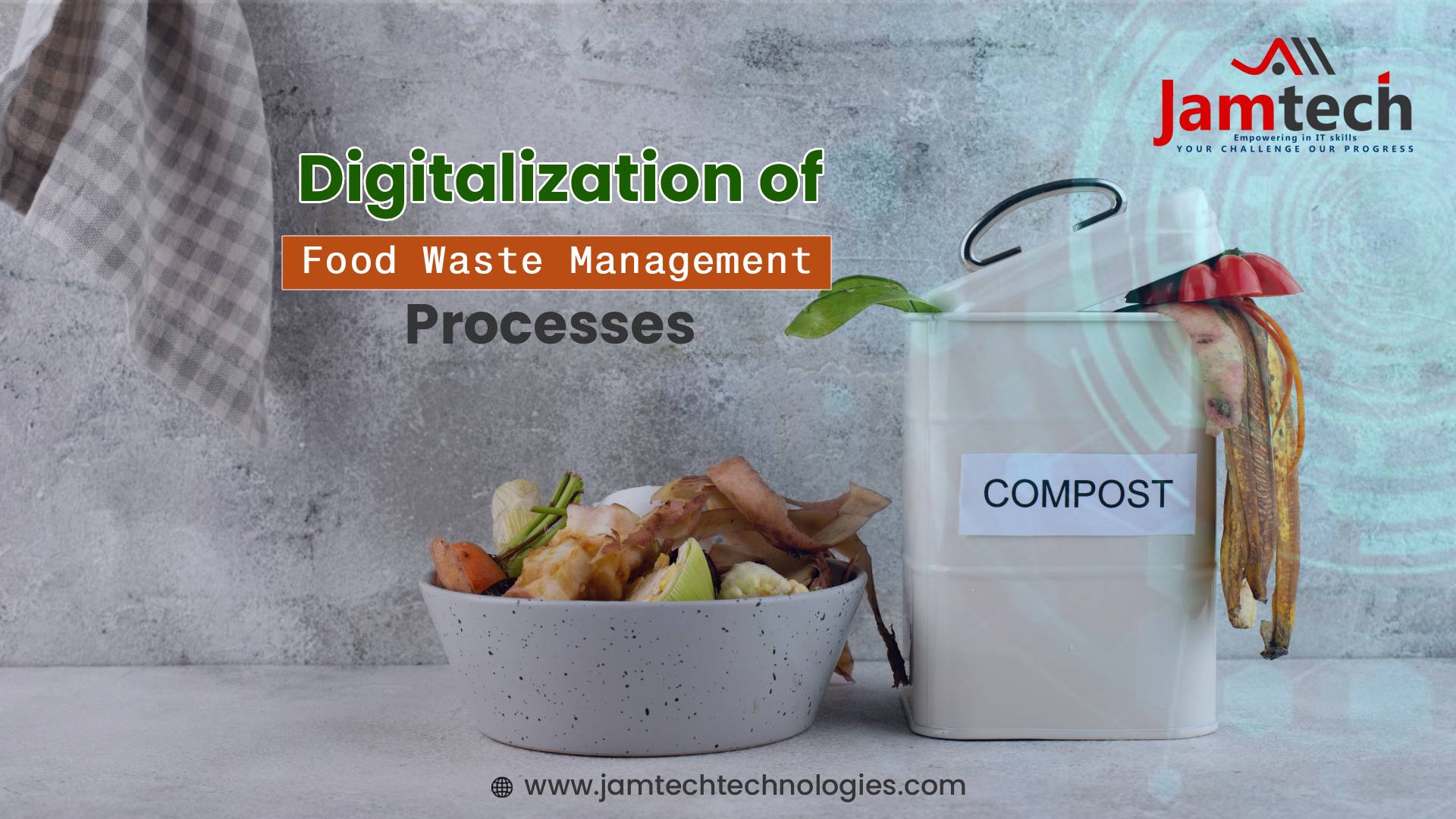
Digitalization of Food Waste Management Processes
On an average, about 1.3 billion tons of food is wasted annually and this number is equal to one third of produced food for consumption in the world.
Wastage and spoilage within the food supply chain can be attributed to uncertainties in demand and supply, time delay, and changes in environmental conditions at different stages of the food supply chain. It equals to an annual economic loss of USD 1.2 trillion and also emits 8% of greenhouse gas in the air causing significant environmental footprint worldwide.
The Horrendous Scale of the Food Waste
Food waste is a significant global issue with far-reaching environmental, economic, and social implications. According to the United Nations Food and Agriculture Organization (FAO), approximately one-third of all food produced for human consumption is lost or wasted each year. This amounts to a staggering 1.3 billion tonnes of food wasted annually, with profound consequences for the environment, including greenhouse gas emissions, deforestation, and water scarcity.
Producers, logistics companies, governments, food health enforcement bodies, sustainability advocates, and concerned citizens are trying multiple options to reduce wastage. Real-time monitoring of food quality has emerged as a viable solution that can benefit all stages of the food supply chain, starting from farmers to end consumers like us. It helps reduce significant economic losses which occur due to food spoilage and wastage while retaining quality and nutritional value.
What is Food Waste Management?
In this era, where sustainability is at the front of global talks, industries are increasingly turning to digital solutions to address pressing environmental challenges. Among these, the management of food waste stands out as a critical issue that demands innovative approaches. With the rise of digitalization, technology is playing a pivotal role in transforming how we handle and mitigate food waste.
Food Waste Management in India
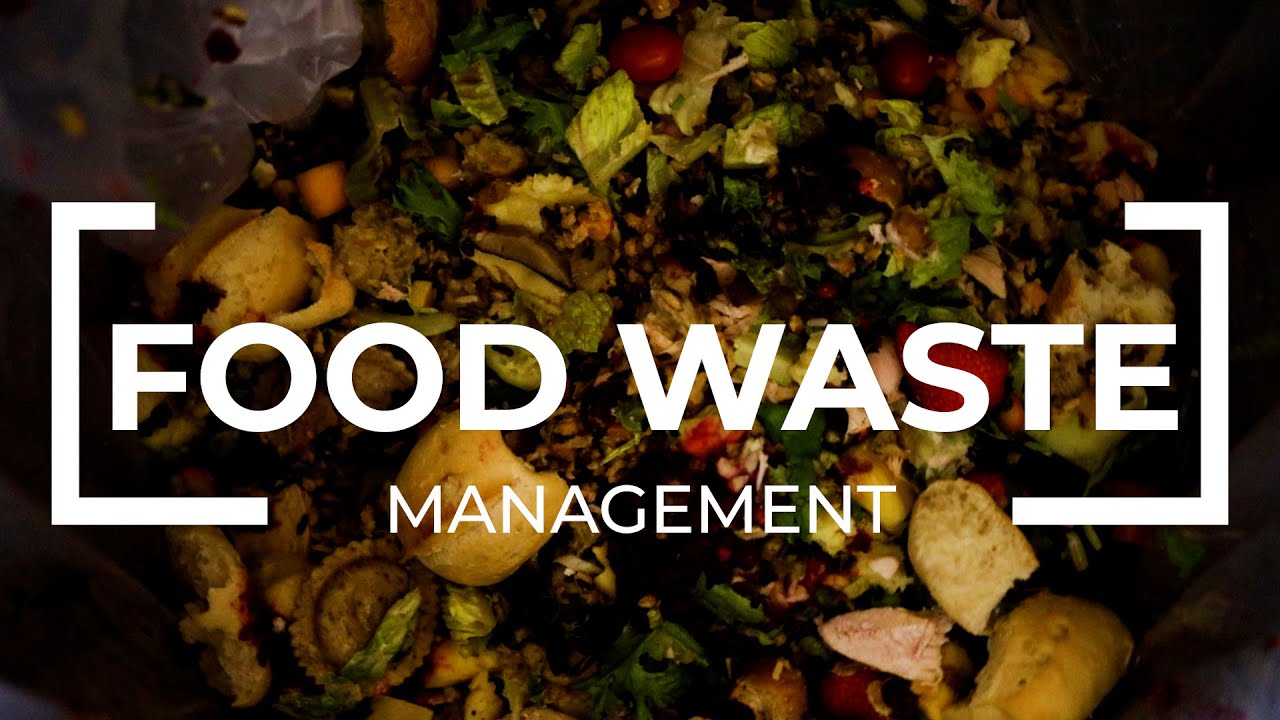
India, a land of rich culinary traditions, also grapples with a significant challenge of food wastage. Despite being home to millions who struggle with hunger, India witnesses a staggering amount of food being wasted at various stages of the supply chain. From farm to fork, inefficiencies in production, distribution, and consumption contribute to this alarming phenomenon.
At the agricultural level, factors such as inadequate storage facilities, poor infrastructure, and lack of market access lead to substantial losses of perishable crops. Food waste management in India fails largely because farmers often face challenges in transporting their produce to markets, resulting in substantial spoilage before reaching consumers.
Moreover, fluctuating market prices and demand further exacerbate these issues, prompting farmers to discard perfectly edible produce.
In urban areas, food waste occurs at both household and commercial levels. Improper storage, overbuying, and misconceptions about food safety contribute to significant wastage in households. Similarly, restaurants, hotels, and supermarkets discard large quantities of food due to overproduction, stringent quality standards, and expiration dates.
Government intervention is also critical in addressing systemic issues related to food waste. Policy measures aimed at incentivizing sustainable practices, improving infrastructure, and facilitating food recovery efforts can create an enabling environment for change.
- Public Awareness Campaigns:
The government has initiated public awareness campaigns to educate citizens about the importance of minimizing food waste and adopting sustainable consumption habits. These campaigns often use traditional and digital media platforms to reach a wide audience.
- Subsidies and Support Programs:
Government subsidies and support programs are provided to farmers and food producers to invest in infrastructure and technologies that minimize post-harvest losses. Financial incentives are also offered to encourage the adoption of efficient storage and transportation practices.
- Research and Innovation:
Government-funded research and development initiatives focus on developing innovative solutions to address food waste challenges through a robust food waste management system. This includes the development of technologies for cold chain management, food preservation, and value-added processing of surplus produce.
- Partnerships with Stakeholders:
The government collaborates with various stakeholders, including NGOs, civil society organizations, and private sector entities, to implement holistic strategies for food waste reduction. These partnerships facilitate knowledge sharing, resource mobilization, and the scaling up of successful initiatives.
What is The Role of Digitalization in Food Waste Management?
Digitalization has emerged as a powerful tool in the fight against food waste, offering innovative solutions to tackle the problem at every stage of the supply chain. From production and distribution to consumption and disposal, technology is enabling more efficient and sustainable food waste management processes.
Let's explore how digitalization is revolutionizing food waste management processes, offering efficient and sustainable solutions for a healthier planet.
Data Analytics and Predictive Modeling
One of the key benefits of digitalization in food waste management is the ability to harness data analytics and predictive modeling to identify and mitigate waste hotspots. By analyzing historical data on food production, distribution, and consumption patterns, businesses can identify inefficiencies and develop targeted strategies to minimize waste. Predictive modeling algorithms can also forecast future demand and supply fluctuations, enabling proactive decision-making to prevent overproduction and spoilage.
Food Waste Management Apps
Almost every technology permeates all aspect of life then it comes as no surprise that innovative solutions are emerging to tackle pressing global challenges. Food waste management apps are digital tools designed to combat food waste at every level of the supply chain.
Among these apps, 'Too Good To Go' stands out as a pioneer in the fight against food waste. By connecting users with surplus food from local restaurants, cafes, and grocery stores at discounted price. 'OLIO' is another app that is making waves with its community-driven approach to food sharing. More noteworthy apps like, 'NoWaste, Winnow and LeanPath are taking an important approach to food waste reduction. With features such as meal planning, grocery list management, and recipe suggestions based on ingredients already available in the user's pantry.
Smart Inventory Management Systems
Digital inventory management systems are revolutionizing the way businesses track and manage food inventory, reducing the risk of overstocking and spoilage. By integrating real-time data on inventory levels, expiration dates, and sales trends, these systems can optimize inventory turnover, minimize waste, and ensure that fresh produce is used before it reaches its expiration date. Additionally, smart sensors and IoT devices can monitor environmental conditions such as temperature and humidity, alerting businesses to potential spoilage risks and enabling timely intervention.
Food Redistribution Platforms
Digital platforms are connecting food producers, retailers, and charitable organizations to facilitate the redistribution of surplus food to those in need. These platforms leverage mobile apps and online marketplaces to streamline the donation process, enabling businesses to quickly and efficiently redirect excess inventory to food banks, shelters, and community organizations. By diverting edible food from landfills and redistributing it to vulnerable populations, these platforms are not only reducing food waste but also addressing food insecurity and hunger in communities around the world.
Consumer Education and Engagement
Digital tools and platforms are empowering consumers to make more informed choices about food consumption and waste reduction. Mobile apps, social media campaigns, and online resources provide consumers with tips, recipes, and educational content on how to minimize food waste at home, such as meal planning, proper storage techniques, and creative ways to repurpose leftovers. By raising awareness and fostering a culture of sustainability, digital initiatives are encouraging individuals to play an active role in reducing food waste and contributing to a more sustainable food system.
What's Ahead for the World?
As technology continues to evolve, the digitalization of food waste management processes holds tremendous potential to drive positive change on a global scale. By using data analytics, smart technologies, and consumer engagement tools, businesses and organizations can optimize resource utilization, minimize waste generation, and build more resilient and sustainable food systems. With concerted efforts from stakeholders across the food supply chain, digitalization offers a pathway towards a future where food waste is minimized, resources are conserved, and everyone has access to nutritious and affordable food.
Ready to grow your business with Jamtech?
Talk to our experts about your next digital project.