




UI Design in Healthcare: Why is it Important for Apps and Websites?
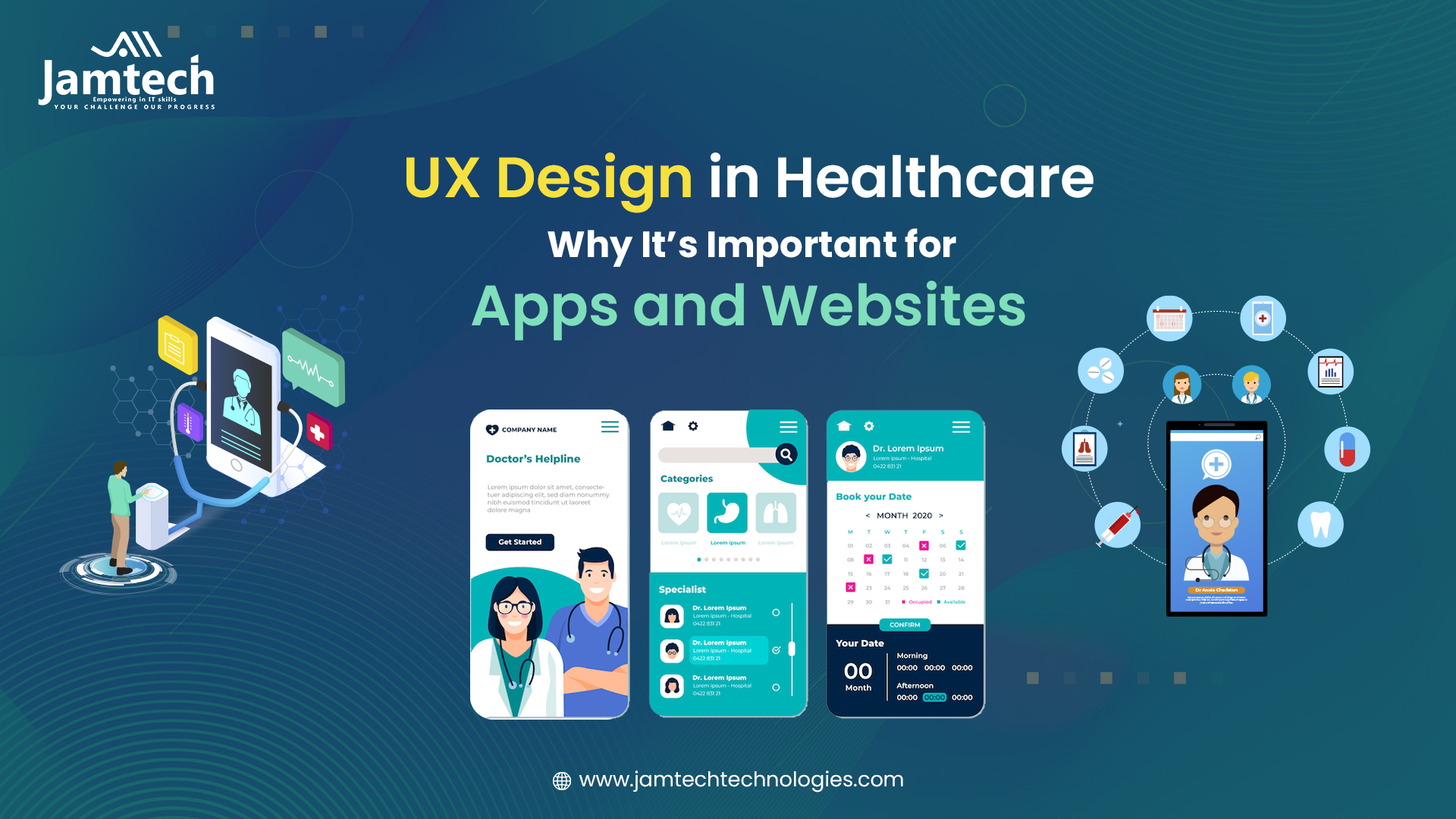
The healthcare industry is undergoing rapid transformation in the digital age. Nowadays, patients are turning more towards mobile apps and websites for like appointment booking and virtual consultations. This is because the UI/UX design has become a key factor in determining the quality of care and patient satisfaction.
But what exactly is website UI/UX design, and why does it matter so much in the healthcare sector?
Without wasting any time, let's dive in!
Understanding Website UI/UX Design
First of all, we should know what is UI and UX. UI (User Interface) design basically focuses more on the looks, layout, and interactivity of a digital product. It also deals with buttons, icons, colors, spacing, typography, and includes all other visual elements that the user interacts with.
While UX (User Experience) design, on the other hand, refers to the overall feel of the experience. It ensures that every interaction is smooth and also purposeful. That's why most users can navigate the platform easily and get what they need quickly and efficiently.
Both UI/UX design services shape how users engage with a digital platform. And in the context of healthcare, this becomes even more important.
Why UI/UX Design is Crucial in Healthcare Platforms?
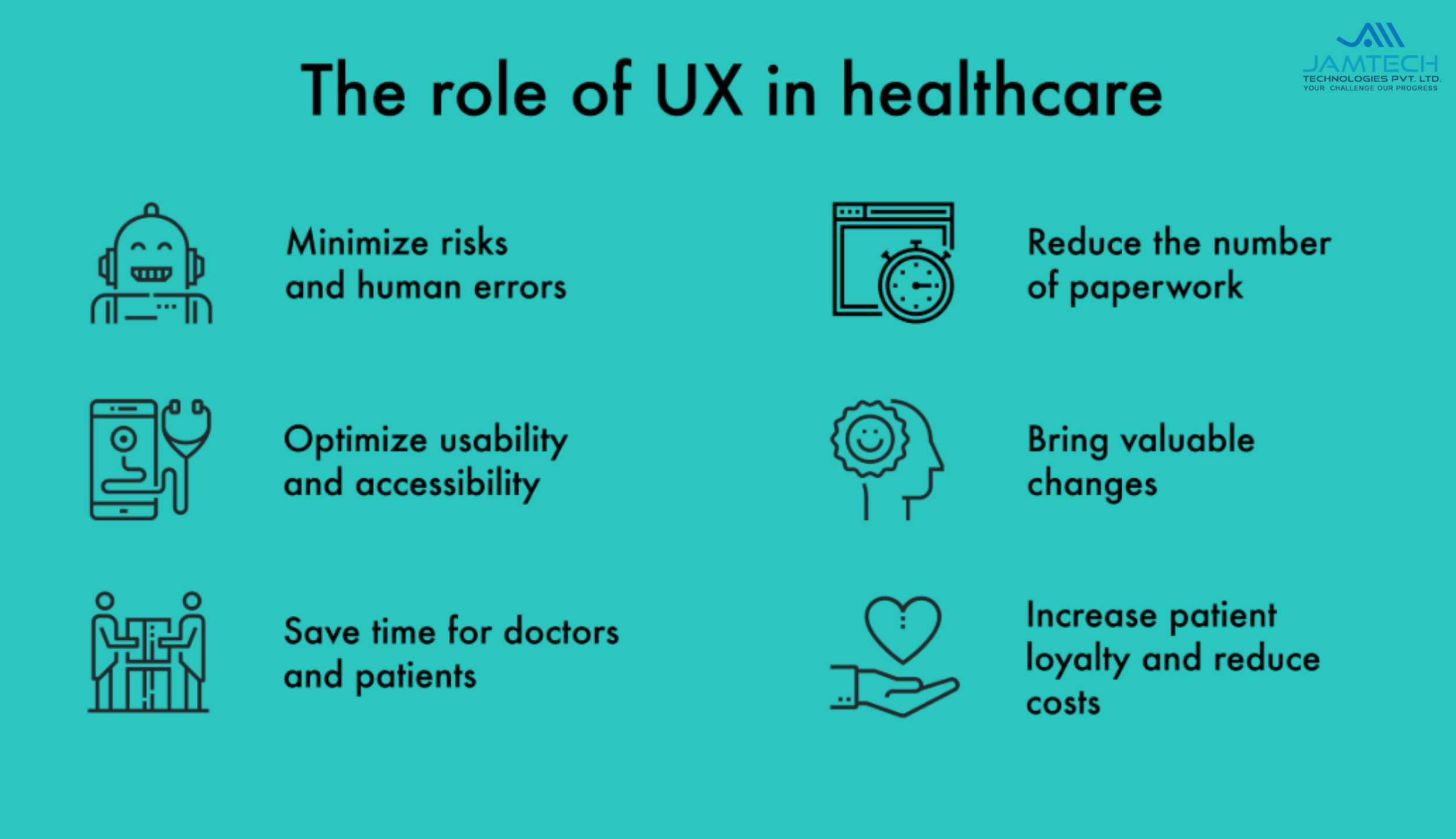
The stakes in the healthcare industry are much higher than in most other industries. A poorly designed app or website can create confusion, even delays in treatment. But, a well-built healthcare UX design can lead to:
1. Improved Patient Satisfaction
The patients using digital platforms expect the same level of care online as they do in person. Clean layouts and quick access to services with clear information architecture help patients to feel more confident and supported.
A well-built UX design in healthcare makes it easy for users to:
Book appointments quickly
Access to medical history or lab results
Connect with doctors
Receive regular reminders for medication or visits
The easier these processes are, the more satisfied and loyal patients become.
2. Streamlined Access to Information
When someone is not well or in hurry, they will not have time to search through cluttered menus or confusing patient portals. That's why a great website UI/UX design will help patients to find what they need quickly.
For example:
Emergency contact options should be prominently placed
Search bars should offer intuitive suggestions
Navigation should require minimal clicks to reach essential services
In this way, the healthcare website UI UX design will minimize stress and maximize clarity.
3. Better Health Outcomes
Yes, you read that right! The future of healthcare UX directly affects the outcomes.
How?
Well! Intuitive designs that encourage users to engage more often and reduce human error. If patients start receiving regular medication alerts, find test results easily, and can reach out to a provider without any delay, then they are more likely to follow these care plans and manage their health proactively.
What really healthcare app UX design should include:
Clear calls-to-action (CTAs)
Easy accessible educational content
User-friendly design for mobile health tracking
Inclusive features for users with disabilities
When everything is done right, these UI/UX design services may help create digital healthcare tools that people love to use, leading to healthier behaviors and fewer missed opportunities.
What is the Importance of UX Design in Healthcare Apps?
As mobile usage continues to rise, thus healthcare apps are quickly becoming the primary channel for care delivery. Everything from virtual consultations to prescription management, apps need to be intuitive, fast, and also empathetic.
Key areas where UX design in healthcare apps should matter are:
Onboarding: First impressions always count. A confusing registration process may make users abandon the app before even starting.
Data Visualization: Health metrics should always be easy to interpret and not buried in very complex graphs.
Security & Trust: UX must support compliance with HIPAA and data protection laws while reassuring users through thoughtful micro-interactions and prompts.
What is the Future of UX Design in the Healthcare Industry?
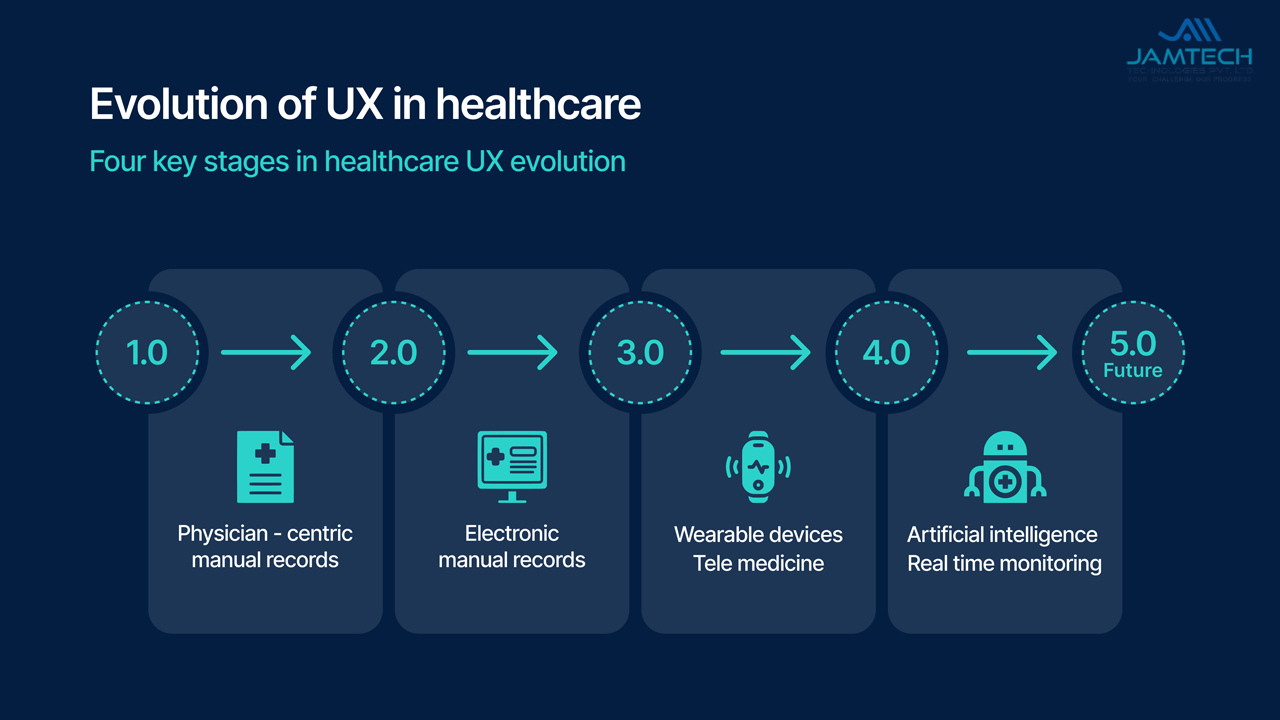
The future of healthcare lies in creating smarter, more personalized, and even more compassionate digital experiences.
In the future, you can expect:
Personalization through AI: Interfaces in the future will adapt according to patient needs, habits, and behavior.
Voice-enabled navigation: Voice UX will become more vital, especially for seniors or users with limited mobility.
Telehealth Integration: Seamless video consultations with secure messaging and documentation will become even more standard.
Emotionally Intelligent Design: UX strategies will evolve faster so as to understand and support patients emotionally and not just functionally.
As digital health is becoming more advanced, so UX/UI design services will need to meet higher expectations to balance functionality with empathy.
Final Thoughts
The healthcare industry isn't just about adopting digital tools, it's redefining the patient experience through them. Investing in an expert UX design in healthcare is no longer a luxury but now it's more of a necessity.
Whether you are a healthcare provider, tech company, or a startup building a digital health solution, now is the perfect time to prioritize website UI/UX design.
Want to explore more about mobile technology in healthcare?
Check out our blog: How Mobile Apps are Useful for the Healthcare Industry
Ready to grow your business with Jamtech?
Talk to our experts about your next digital project.