


The Rise of Low-Code/No-Code Development: Making App Development Accessible to Everyone
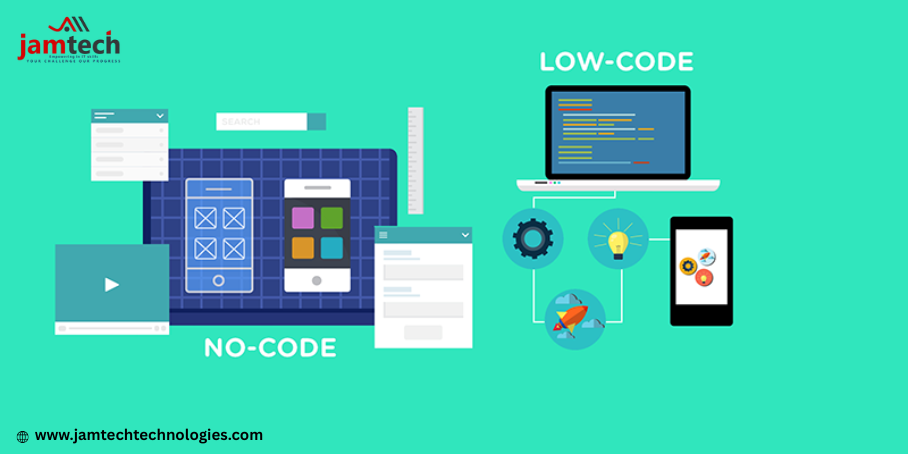
Low-code and no-code development platforms are reshaping the software development landscape, empowering a diverse audience to actively participate in app creation. This transformative wave is democratizing the development process and accelerating the delivery of functional applications.
Understanding Low-code/No-code:
- Low-code Platforms: Streamline development through visual interfaces, reducing hand-coding.
- No-code Platforms: Enable users with minimal coding experience to create applications with predefined logic.
Democratization of App Creation:
- Empowering Non-Developers: Allows business professionals and non-developers to actively contribute to application development.
- Bridging the IT Skills Gap: Facilitates the creation of solutions by individuals with domain expertise.
Key Features and Benefits:
- Visual Development: Simplifies the process with intuitive drag-and-drop interfaces.
- Integration Capabilities: Seamlessly integrates with existing systems and services.
- Scalability: Accommodates complexity, allowing for extensions by skilled developers.
Real-World Applications:
- Citizen Development in Enterprises: Reduces dependence on IT departments; business users create custom applications.
- Prototype-to-Production in Startups: Accelerates the transition from prototype to production, benefiting resource-constrained organizations.
Challenges and Considerations:
- Security and Compliance: Requires attention to ensure adherence to industry standards and regulations.
- Vendor Lock-in: Organizations should evaluate flexibility and portability to avoid future challenges.
The Future Landscape:
- Evolving Ecosystem: Major players invest in research and development for more sophisticated capabilities.
- Collaborative Development: Facilitates collaboration between IT teams, business units, and individual contributors.
Conclusion:
The evolution of low-code and no-code development is not just a technological shift; it's a paradigm change. As these platforms mature, they foster a more inclusive and collaborative approach to software creation, marking a transformative journey toward empowering diverse skill sets in the future of application development.
Ready to grow your business with Jamtech?
Talk to our experts about your next digital project.