



How Inventory Management Apps Transform Stock Control for Modern Businesses
Managing stock is one of the most complex challenges for any business. Too little inventory leads to disappointed customers and missed sales. Too much inventory locks up cash and creates storage issues. This is where inventory management apps will make a real difference. By automating stock tracking, reducing waste, and improving the order accuracy, these tools may help businesses to balance supply with demand.
Companies like Jamtech Technologies specialize in building scalable digital solutions such as custom web development, e-commerce platforms, and mobile app development that integrate seamlessly with inventory systems.
So, below we will explore how inventory management software streamlines stock control, minimizes losses, and ensures businesses meet customer needs without overspending on surplus inventory.
What Are Inventory Management Apps?
An inventory management app is a digital tool designed to monitor stock levels, track sales, manage suppliers, and forecast demand. Instead of relying on spreadsheets or manual systems, businesses can use mobile and cloud-based apps to gain real-time visibility into their inventory.
Platforms like Zoho Inventory, TradeGecko (QuickBooks Commerce), and Cin7 are widely used across industries. However, businesses with complex workflows often need custom web development and strong backend development to create an app that integrates smoothly with existing systems.
What is the Best Inventory Management Software?
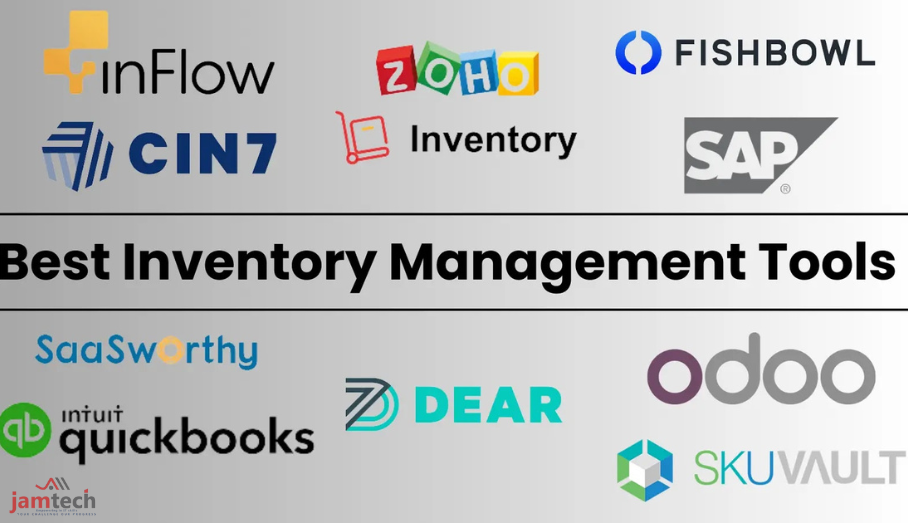
Businesses often ask this when comparing options. The best inventory management software depends on specific needs:
Zoho Inventory – Great for small to medium businesses with budget-friendly pricing and strong integrations with eCommerce platforms.
Cin7 – Ideal for larger businesses needing advanced automation, reporting, and multi-warehouse management.
TradeGecko (QuickBooks Commerce) – Popular among retailers and wholesalers for its demand forecasting and easy integration with QuickBooks.
Instead of a one-size-fits-all answer, the right choice comes down to your business size, industry, and growth plans.
Benefits of Using Inventory Management Apps
1. Streamlined Stock Control
Traditional inventory management often requires staff to count products manually or rely on outdated records. With an app, businesses can use barcode scanning and automated alerts to track products in real time. A clean interface designed through UI/UX design and frontend development ensures that staff can manage stock quickly without confusion.For example, a retailer using Shopify's inventory app can see stock updates immediately after a sale, both online and offline. This prevents overselling and ensures customers are never promised products that are out of stock.
2. Minimized Losses and Waste
Excess inventory often leads to spoilage, obsolescence, or clearance sales that cut into profits. Apps provide insights into slow-moving products, helping businesses make data-driven decisions about discounts or alternative sales strategies.In industries like food and beverage, inventory apps can send alerts for perishable goods nearing expiration. This allows staff to rotate stock and reduce waste. Retailers who invest in iOS app development or Android app development can empower staff with mobile tools to reduce losses right on the shop floor.
3. Meeting Customer Demand Efficiently
Inventory management apps integrate with sales platforms to forecast demand based on historical data. Businesses can anticipate peak seasons and prepare accordingly.For instance, an apparel brand using Cin7 can analyze last year's holiday sales and order the right quantity of stock ahead of time. Customers get what they want when they want it, without the brand overinvesting in unsold products. For eCommerce businesses, linking e-commerce solutions with inventory apps ensures accurate stock updates across Shopify, WooCommerce, or Magento.
4. Cost Savings on Surplus Inventory
Holding too much stock ties up capital and increases warehouse costs. With features like demand forecasting and reorder point settings, apps help businesses avoid overstocking. This frees up cash flow for other operations such as marketing or product development.Key Features of Inventory Management Apps
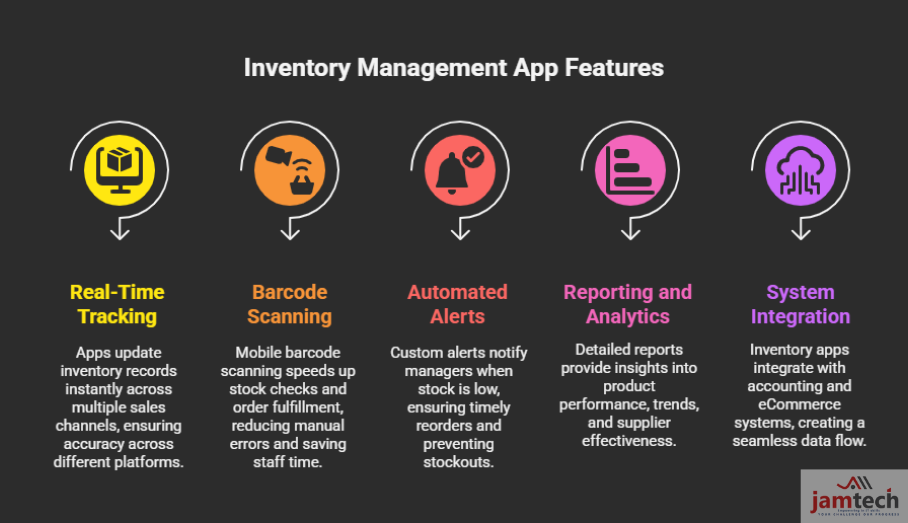
Real-Time Tracking
Apps update inventory records instantly across multiple sales channels. This ensures accuracy whether a customer buys in-store, online, or through a marketplace.
Barcode Scanning
Many apps allow mobile barcode scanning for faster stock checks and order fulfillment. This reduces manual errors and saves staff time.
Automated Alerts and Notifications
Custom alerts notify managers when stock falls below a certain threshold, ensuring timely reorders.
Reporting and Analytics
Detailed reports provide insights into best-selling products, seasonal trends, and supplier performance. Many businesses request prototype development during planning to visualize reporting dashboards before full development begins.
Integration with Accounting and eCommerce
Inventory apps integrate with systems like Shopify, WooCommerce, Amazon, and Xero, creating a seamless flow of data across departments.
How Inventory Apps Improve Different Industries
Retail
Retailers benefit from accurate multi-channel stock tracking. For example, a shoe store can sync its website with in-store sales, avoiding double bookings.
eCommerce
Online sellers use inventory apps to manage thousands of SKUs across different platforms. Real-time updates reduce errors and improve customer satisfaction.
Manufacturing
Manufacturers rely on apps to track raw materials and finished goods. Features like prototype development planning and supplier monitoring help optimize production schedules.
Hospitality
Restaurants and hotels use inventory software to manage perishable goods, ensuring that ingredients are fresh and waste is minimized.
Custom vs. Template-based Inventory Solutions
Just like web design, inventory management systems can be custom-built or template-based.
Custom inventory apps are tailored for complex supply chains and unique workflows. They often require advanced backend development for database management and app testing and quality assurance to ensure reliability.
Template-based solutions like Zoho or Shopify are ready-to-use, making them affordable and quick to set up. While customization is limited, they cover most needs for small and medium businesses.
Challenges Without Inventory Management Apps
Businesses that still rely on manual tracking often face:
Stockouts due to inaccurate records
Overstocking that leads to financial losses
Poor customer satisfaction when orders are delayed
Lack of real-time visibility across multiple locations
These issues not only affect profitability but also weaken the trust of a customer. Regular updates and performance optimization are also missing in manual systems, which is why website maintenance services become critical for long-term stability.
Future Trends in Inventory Management
The future of stock control is becoming even more automated. Apps are now integrating artificial intelligence to predict demand more accurately. IoT-enabled sensors are used in warehouses to monitor stock automatically. Cloud-based mobile apps also allow managers to oversee inventory from anywhere in the world.
As technology evolves, businesses that adopt advanced inventory management systems will gain a competitive edge by being more agile and customer-focused.
Final Thoughts
An inventory management app is no longer just a nice-to-have, but it's essential for sustainable growth. Whether you need a cloud-based solution, a mobile-friendly app, or an integrated system for your online store, Jamtech Technologies provides expertise in app development, UI/UX design, and performance optimization. By adopting the right tools, businesses can streamline stock control, minimize losses, and ensure they meet customer demand without overspending on surplus inventory.
Ready to grow your business with Jamtech?
Talk to our experts about your next digital project.