




Wearable Tech in Healthcare & Medical Science
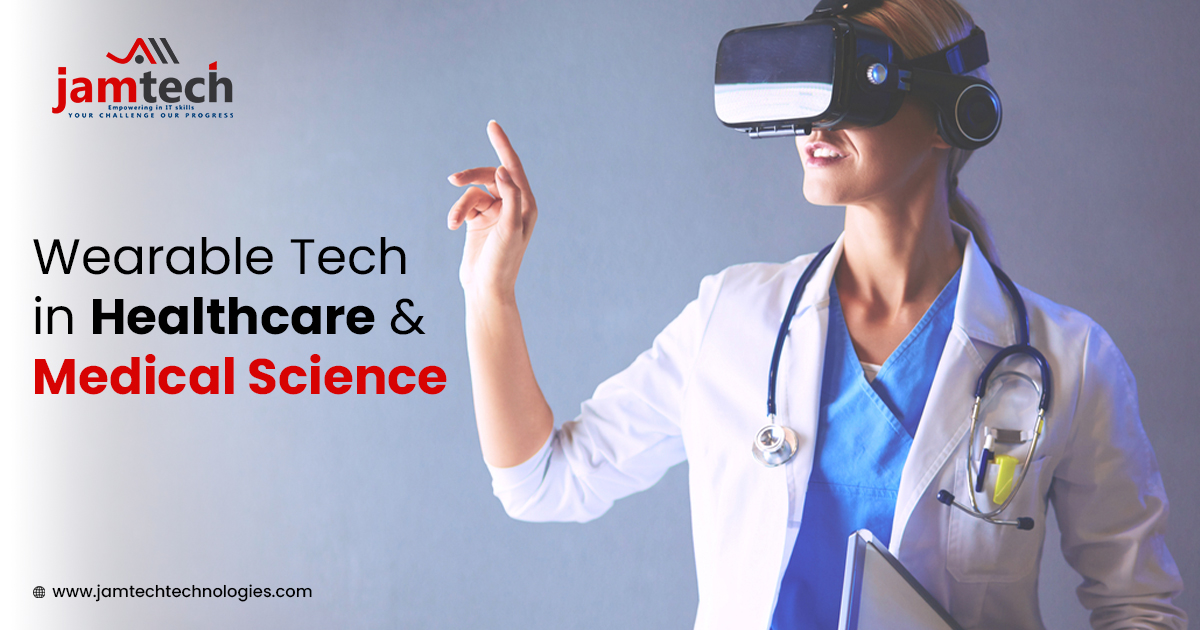
Technology continues to redefine the boundaries of innovation where wearable technology stands out as a transformative force in healthcare and fitness. These sleek devices, impeccably integrated into our daily lives, have transcended their initial role as simple activity trackers to become powerful tools for monitoring health metrics, preventing illnesses, and optimizing fitness routines. From smartwatches to fitness bands, the role of wearable technology in healthcare is of profound importance.
Effect of Artificial Intelligence in Healthcare:
Artificial intelligence (AI) is reshaping healthcare by revolutionizing diagnostic processes through accurate analysis of medical imaging, enabling early disease detection and tailored treatment plans. Predictive analytics empower proactive preventive care by identifying at-risk individuals and personalizing interventions based on comprehensive patient data.
Artificial Intelligence in healthcare simplifies administrative tasks, optimizing operational efficiency by automating scheduling, record-keeping, and billing procedures, freeing up healthcare professionals to focus more on patient care.
┬À Monitoring Vital Signs in Real-Time
One of the most significant contributions of wearable technology to healthcare is its ability to monitor vital signs in real-time. Devices like Smartwatches equipped with sensors can track heart rate, blood pressure, oxygen saturation levels, and even electrocardiograms (ECGs). This continuous monitoring empowers individuals to keep a close eye on their health status, enabling early detection of abnormalities and timely intervention.
For individuals with chronic conditions such as hypertension or heart disease, medical wearables provide invaluable insights into their physiological parameters, allowing for proactive management and better control of their health. Moreover, in emergency situations, these devices can alert healthcare providers or family members, potentially saving lives by providing timely assistance.
┬À Personalized Fitness Tracking and Goal Setting
In the realm of fitness, wearable technology has revolutionized the way people approach their workout routines. Fitness bands and smartwatches offer comprehensive tracking of physical activities, including steps taken, calories burned, distance traveled, and even sleep quality. Armed with this data, users can set personalized fitness goals and track their progress over time.
The real-time feedback provided by wearable devices serves as a motivating factor for individuals striving to lead a healthier lifestyle. Whether it's achieving a daily step target, improving sleep patterns, or increasing workout intensity, these devices offer tangible metrics and actionable insights to guide users towards their fitness objectives.
┬À Empowering Preventive Healthcare
Preventive healthcare is gaining traction as a proactive approach to maintaining overall well-being and reducing healthcare costs. Wearable technology plays a pivotal role in this paradigm shift by enabling continuous health monitoring and early detection of potential health issues.
By crediting data analytics and machine learning algorithms, wearable devices can identify patterns and trends in health metrics, flagging deviations from the norm that may indicate underlying health problems. This early warning system empowers individuals to take preemptive measures, such as lifestyle modifications or seeking medical attention, before minor issues escalate into more serious conditions.
┬À Facilitating Remote Patient Monitoring
The emergence of telemedicine and remote patient monitoring has been accelerated by advancements in wearable technology. For patients with chronic illnesses or those recovering from surgeries, wearable devices offer a means of remotely monitoring vital signs and adherence to treatment plans without the need for frequent hospital visits.
Through easy connectivity with healthcare providers' systems, wearable devices enable real-time data transmission, facilitating remote consultations and timely interventions. This not only enhances the quality of care but also promotes patient convenience and reduces healthcare costs associated with traditional in-person visits.
┬À Ethical and Privacy Considerations
While the potential benefits of wearable technology in healthcare and fitness are undeniable, it is essential to address ethical and privacy concerns associated with the collection and use of personal health data. Safeguarding sensitive information, ensuring data security, and obtaining informed consent from users are paramount to maintaining trust and integrity in the adoption of wearable devices.
Furthermore, there is a need for regulatory frameworks to govern the development, deployment, and utilization of wearable technology in healthcare settings. Clear guidelines on data ownership, privacy rights, and accountability are essential to mitigate potential risks and ensure responsible innovation in this rapidly evolving landscape.
Impactful Healthcare Solutions Through Smart Medical Wearables:
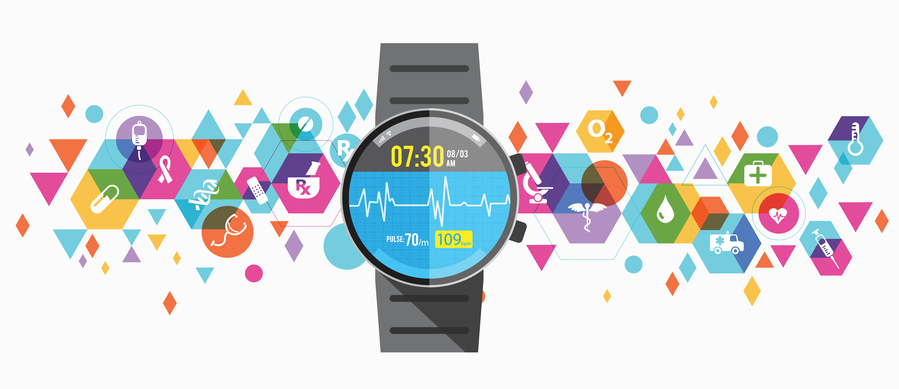
Smart Wearables offer innovative healthcare solutions by flawlessly integrating monitoring and tracking capabilities into users' daily lives. These devices, ranging from smartwatches to fitness bands, provide real-time insights into vital signs such as heart rate, blood pressure, and sleep patterns, enabling individuals to monitor their health proactively. By collecting and analyzing data over time, smart wearables can detect abnormalities and trends, facilitating early intervention and preventive measures. Moreover, smart wearables facilitate remote patient monitoring, allowing healthcare providers to monitor patients' health status outside traditional clinical settings, leading to more personalized and timely interventions. Additionally, these devices promote adherence to fitness routines by setting personalized goals, providing feedback, and fostering motivation through gamification elements. Overall, smart wearables offer a holistic approach to healthcare, empowering individuals to take control of their well-being and enhancing the quality of patient care.
The Future:
Wearable technology has emerged as a game-changer in healthcare and fitness, offering unprecedented opportunities for personalized health monitoring, preventive care, and remote patient management. By harnessing the power of sensors, data analytics, and connectivity, these devices empower individuals to take control of their health and well-being like never before.
As we continue to embrace the possibilities of wearable technology, it is imperative to remain vigilant about ethical considerations and privacy safeguards. By striking a balance between innovation and responsibility, we can unlock the full potential of wearable devices to transform healthcare delivery and elevate fitness experiences for generations to come.
Ready to grow your business with Jamtech?
Talk to our experts about your next digital project.